
Description
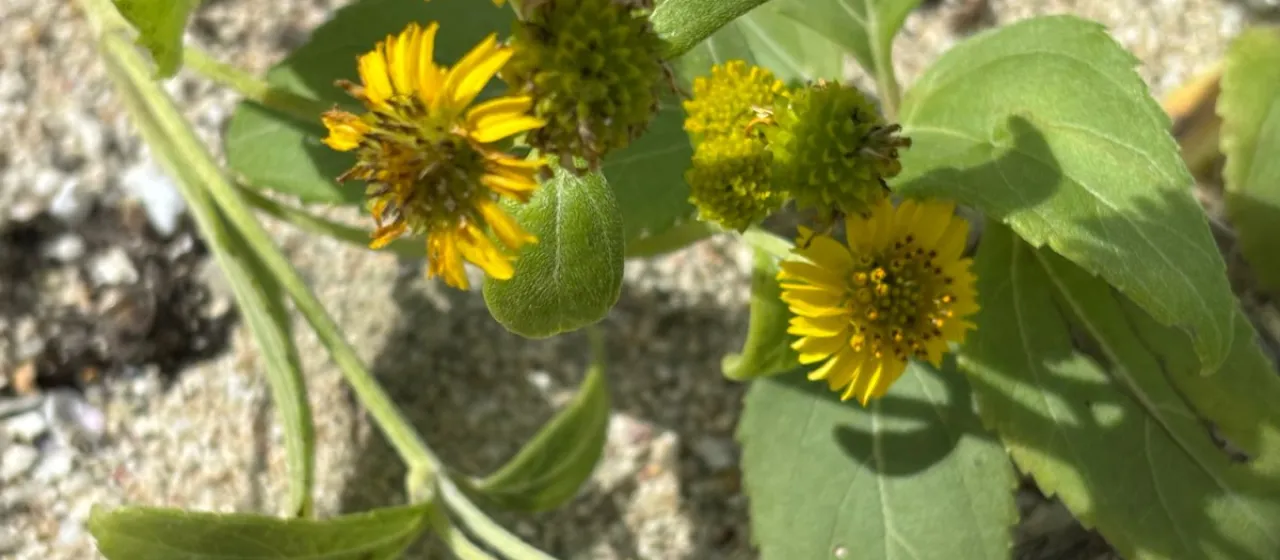
Sea daisy (Melanthera biflora) is a perennial herb belonging to the Asteraceae family. In agricultural contexts, it is recognized as a robust, creeping plant that plays a significant role in ecological management and soil stabilization in tropical and subtropical regions across the globe.
The plant originates from the coastal regions of the Indo-Pacific, Africa, and Southeast Asia. Its natural habitat includes sandy shores and disturbed areas, which has contributed to its high level of hardiness. As an agricultural object, it is primarily valued for its rapid growth rate and ability to colonize large patches of land effectively.
Botanically, it features succulent-like stems that root at the nodes, allowing it to spread horizontally. The leaves are opposite and serrated, while the flowers are small, yellow capitula that attract various pollinators. This structural design enables the plant to form a dense mat that shields the soil surface from direct sunlight and heavy rainfall.
The cultivation requirements for Melanthera biflora include full sun exposure and well-drained soil. Although it is tolerant of low-nutrient soils, it performs best in moist, fertile environments. Agronomic management involves managing its invasive tendencies, which may require mechanical trimming to prevent the plant from encroaching upon surrounding crops.
Key areas of economic and agricultural use:
- Control of soil erosion and land degradation.
- Use as green manure to improve soil fertility and structure.
- Applications in traditional ethnopharmacology for wound healing.
- Potential as a supplemental fodder source for livestock in tropical farming.
Common plant health challenges include infestation by aphids and various caterpillars that can cause significant leaf damage. In high-humidity conditions, the crop is susceptible to powdery mildew, which can stunt growth. Integrated pest management (IPM) practices, such as pruning infected areas and ensuring proper plant spacing, are essential for maintaining healthy fields.