
Description
Melanthera confusa is a perennial herbaceous plant belonging to the Asteraceae family. As an agricultural commodity, it is recognized for its ecological resilience and potential utility in specific regional farming systems, particularly within its native African habitats where it serves as a multi-purpose botanical resource.
The plant originates from the tropical regions of Africa, where it adapts well to diverse environmental niches. Its distribution is currently localized, yet there is growing interest in its capacity to thrive in marginal lands where traditional crop species might struggle due to nutrient deficiencies or fluctuations in precipitation patterns.
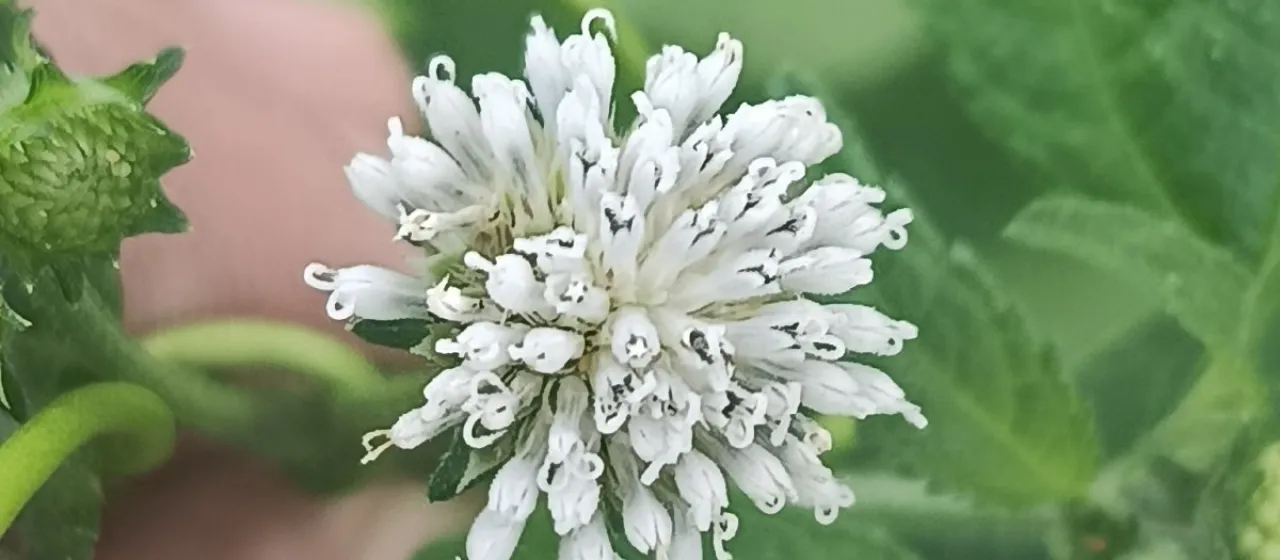
Botanically, Melanthera confusa is characterized by stiff, hair-covered stems and opposite leaves that feature distinct veins. The inflorescence consists of small flower heads typical of the daisy family, which are visually understated but biologically significant. The plant's architecture allows for substantial biomass accumulation throughout the growing season.
Cultivation requirements involve well-drained, fertile soil and significant sunlight exposure to ensure optimal plant health. In terms of agronomy, it is recommended to space the plants adequately to prevent the spread of soil-borne pathogens. While the plant is inherently hardy, supplementary irrigation during the peak of the dry season is beneficial for maintaining vegetative quality.
The economic value of this crop is primarily found in its traditional medicinal properties and its role in sustainable forage production. Farmers are advised to maintain a strict scouting schedule for pests such as aphids or lepidopteran larvae. Regular crop rotation and the removal of infected debris are critical management practices to sustain long-term productivity and soil health.