
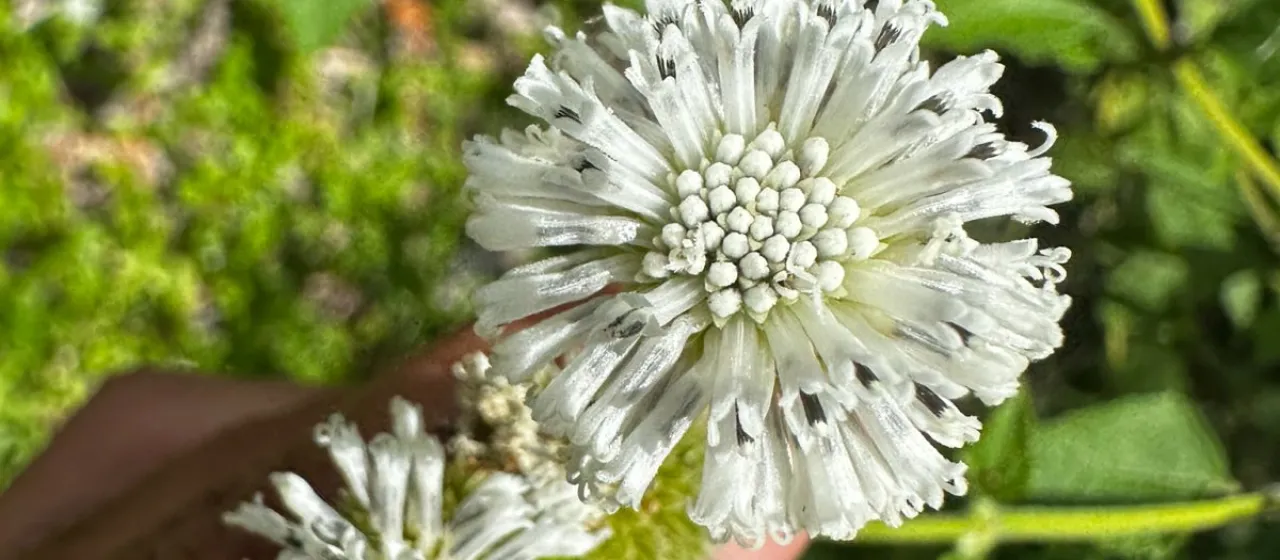
Description
Snow squarestem (Melanthera nivea) is a perennial herb belonging to the Asteraceae family. This species is recognized for its rapid growth habits and its ability to thrive in warm climates, making it a subject of interest for sustainable agricultural development and land reclamation projects.
The plant originates from the tropical and subtropical regions of the Americas. Its natural range extends through various environments, including meadows, forest borders, and disturbed lands. This wide distribution reflects the species' inherent plasticity and its tolerance for diverse light and temperature conditions common in its native habitat.
Botanically, the plant is characterized by its upright stature and opposite, rough-textured leaves with serrated margins. The inflorescences consist of small, white to cream-colored flower heads that are highly attractive to pollinators. Its structural integrity is supported by a robust root system that helps the plant survive periods of seasonal dryness.
Cultivation requirements focus on providing a warm environment with full sun exposure. The ideal soil type is well-drained loam or sandy soil that prevents waterlogging. Management practices include timely weeding in the early stages of growth and irrigation during prolonged dry spells to maintain productivity and ensure the plant reaches its full biomass potential.
Agricultural and economic uses of the crop include:
- Use as supplemental forage for livestock in tropical farming systems.
- Erosion control on sloped terrains due to extensive root growth.
- Enhancing biodiversity by attracting beneficial pollinating insects.
- Serving as a low-maintenance cover crop for disturbed soil environments.
Typical plant health issues involve fungal pathogens, particularly if drainage is poor or plant density is too high. Common pests, such as aphids or leaf-feeding insects, usually do not cause significant economic damage if the crop is managed properly. Integrated pest management, including regular inspection and maintaining healthy soil conditions, is generally sufficient to protect the crop.