
Description
Bunchflower (Melanthium virginicum) is a robust perennial herb belonging to the Melanthiaceae family. Known for its impressive stature and delicate floral structure, this species is increasingly appreciated by horticulturists for its role in native garden restoration and specialized landscape design.
The plant originates from the eastern regions of North America, where it thrives in natural habitats such as wet meadows, thickets, and forest borders. Understanding its native range is essential for gardeners aiming to replicate the specific environmental conditions necessary for the plant to reach its full vegetative potential.
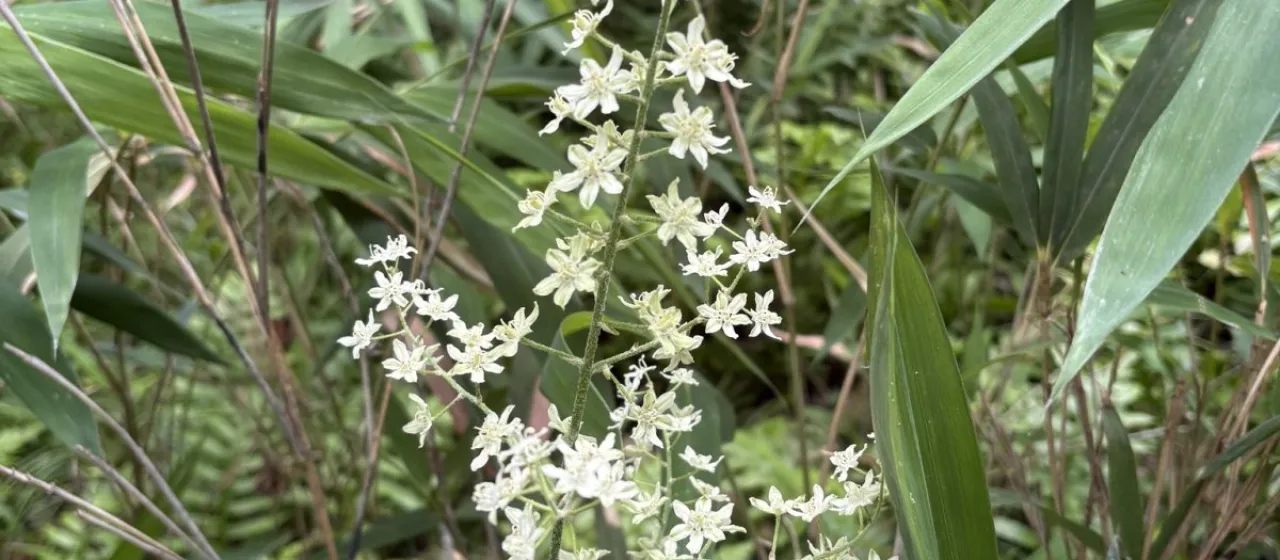
Botanically, Melanthium virginicum is defined by its thick rhizome and tall, erect stems that can grow up to 1.5 meters high. The foliage is primarily basal with elongated leaves, while the inflorescence consists of large, branching panicles of cream-colored flowers. These blooms often exhibit a unique color shift from greenish-yellow to white as they mature.
The cultivation of this species requires a specific approach to soil and moisture management. The plant flourishes in rich, moisture-retentive, and acidic soils. It is critical to select a site in partial shade to protect the foliage from excessive midday sun, while ensuring adequate drainage to prevent saturation. Regular maintenance involves organic mulching and consistent watering during the growing season.
Economically and aesthetically, the bunchflower serves as an ornamental plant suitable for woodland gardens and meadow-style plantings. While generally resistant to major agricultural pests, the plant may occasionally be affected by aphids or fungal issues if air circulation is poor or if the soil remains waterlogged for extended periods. Proper site selection remains the best strategy for healthy growth.
- Height: 100–150 cm
- Flowering season: June–July
- Soil type: Moist, rich, acidic
- Hardiness: Fully hardy in temperate zones
- Light preference: Partial shade