
Description
Melastoma dodecandrum is an evergreen shrub belonging to the Melastomataceae family. Known for its aesthetic appeal and fruit production, this plant is increasingly recognized in horticultural circles as both an ornamental and a functional crop. It thrives in humid environments and is highly valued for its ability to produce edible berries under specific cultivation conditions.
The plant originates from the tropical regions of Southeast Asia and Southern China. Its natural habitat includes hill slopes and forest margins, where it thrives in acidic soil types. Understanding its native environmental needs is crucial for successful domestication and commercial production, as it requires a delicate balance of moisture and specialized nutrient profiles.
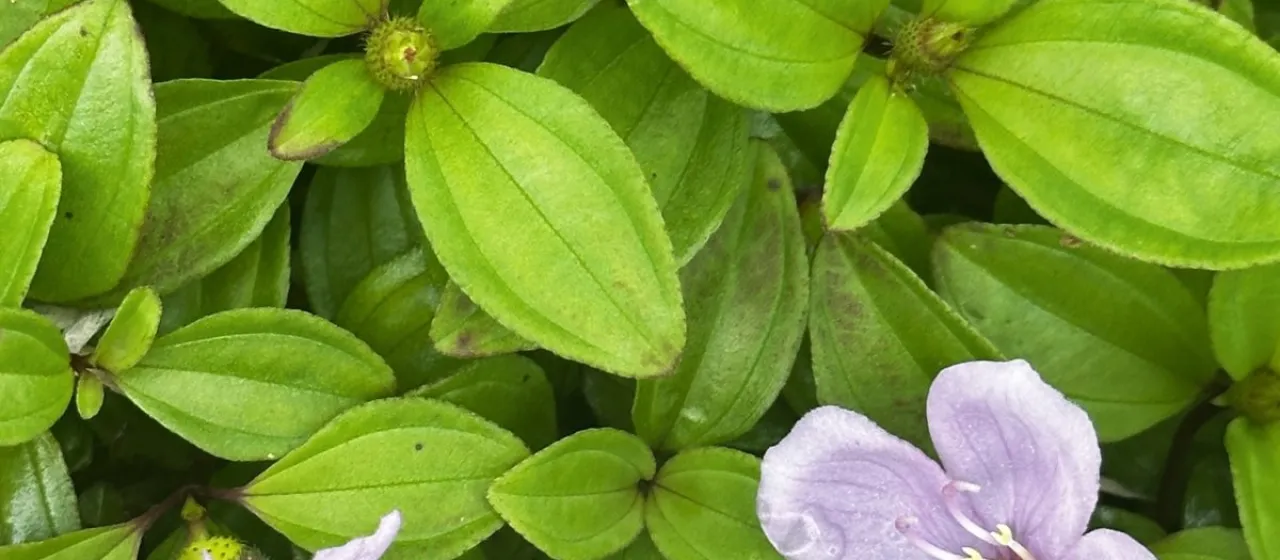
Botanically, the plant features distinctive leaves with longitudinal veins and vivid purple-pink flowers characterized by twelve prominent stamens. These flowers lead to the development of succulent, nutrient-rich berries. The morphological structure of the plant allows it to remain compact, making it manageable for smaller orchard setups or greenhouse environments.
Agricultural practices for this crop focus on providing acidic, well-draining soil and consistent irrigation. Unlike many traditional crops, it requires protection from extreme direct sun and wind. Fertilization regimes should prioritize organic matter that maintains soil acidity. In colder climates, controlled environments such as greenhouses are necessary to ensure the plant survives the winter months.
Economic and household uses include the following applications:
- Culinary use of berries for fresh consumption, jams, and traditional snacks.
- Medicinal applications, where plant extracts are utilized for their potential anti-inflammatory benefits.
- Landscape management and ornamental planting due to its vibrant flowering cycle.
The crop is susceptible to root-related issues if drainage is inadequate, leading to various fungal pathogens. Pests such as aphids and spider mites can also impact leaf health during the peak growing season. Growers should implement integrated pest management (IPM) strategies, including regular inspections and the use of targeted biological controls to protect the yield and ensure plant longevity.