
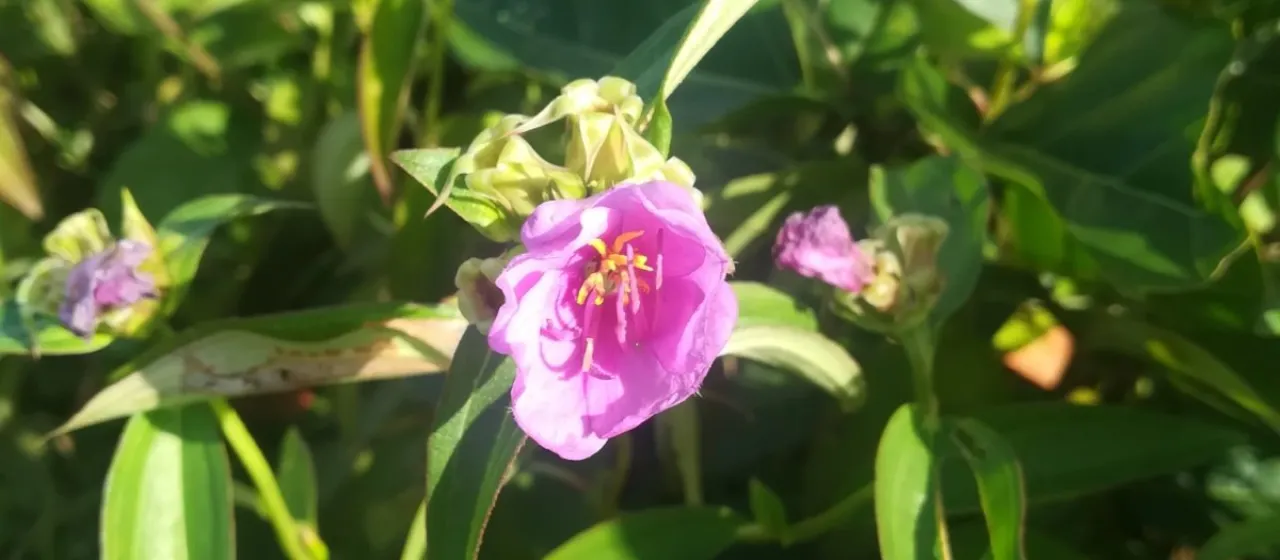
Description
Melastomastrum capitatum is a herbaceous perennial species that belongs to the Melastomataceae family. As a member of this diverse tropical family, the plant possesses unique morphological traits that make it a subject of interest for both taxonomists and enthusiasts of exotic botanical species.
The origin of the species is primarily linked to the tropical regions of Africa, where it thrives in humid environments. Its natural habitat includes forest margins and wetlands, where high precipitation and warm temperatures support its rapid vegetative growth cycle throughout the year.
Botanically, the plant is recognized by its opposite leaves with prominent longitudinal venation and its inflorescences, which form dense, head-like clusters. This arrangement of flowers is a key identification feature for the species within its genus, differentiating it from related tropical herbaceous plants.
Regarding agrotechnical requirements, the species demands well-drained, nutrient-rich soils with a slightly acidic pH level. Consistent soil moisture is vital for the health of the plant, as it has little tolerance for drought. In cultivation settings, supplemental lighting and moisture control are essential to maintain its vigor.
The economic and practical use of Melastomastrum capitatum is currently focused on research and potential pharmaceutical applications. Preliminary studies suggest the presence of compounds that may be useful in traditional medicine, although large-scale agricultural exploitation remains limited to specialized nurseries and research facilities.
- High demand for constant humidity and tropical temperature ranges.
- Requirement for well-aerated, organic-rich growing media.
- Sensitivity to cold temperatures and dry air conditions.