
Description
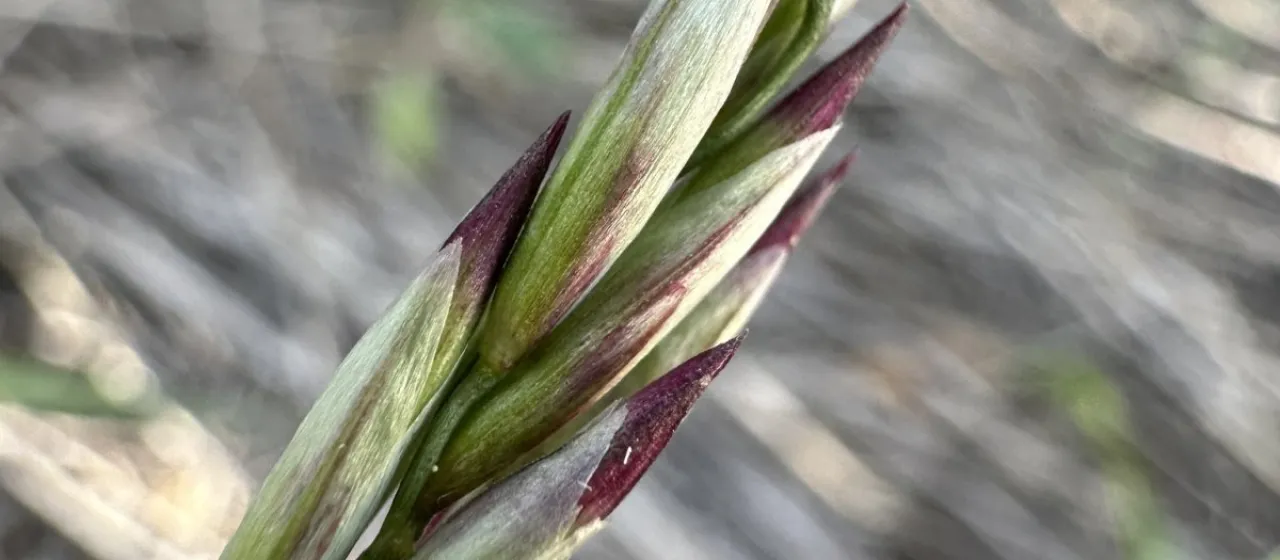
Bulbous melic (Melica bulbosa) is a perennial herbaceous plant belonging to the Poaceae (grass) family. The species is characterized by the distinct thickening at the base of its stems, which functions as a storage organ, allowing the plant to thrive in challenging semi-arid environments.
This grass is native to the mountain ranges and steppe zones of Central Asia, the Caucasus, and parts of the Middle East. It is naturally adapted to rocky, well-drained soils and thrives in regions characterized by distinct seasonality, where it can withstand prolonged periods of drought during the summer months.
Morphologically, it is a tufted grass reaching heights of 30 to 80 cm. Its leaves are typically narrow and may show slight pubescence. The inflorescence is a panicle, which can vary in density. Its strong, deep-reaching root system makes it an excellent choice for soil stabilization and conservation in mountainous terrain.
Regarding cultivation requirements, Melica bulbosa prefers sunny locations with mineral-rich, well-drained soils. It is highly drought-tolerant and displays significant frost resistance. In agricultural settings, it requires minimal inputs, though care should be taken to ensure it is not overcrowded by more aggressive forage species.
The primary agricultural use of bulbous melic is as a forage source for livestock. It is particularly valued in rangeland management for its ability to provide early spring grazing when other species are still dormant. It is also utilized in restoration projects aimed at reclaiming degraded land and controlling soil erosion in hilly areas.
- Excellent early-season growth for livestock grazing.
- Significant drought tolerance due to subterranean storage organs.
- Strong potential for erosion control on slopes.
- Low requirement for fertilizers and chemical inputs.