
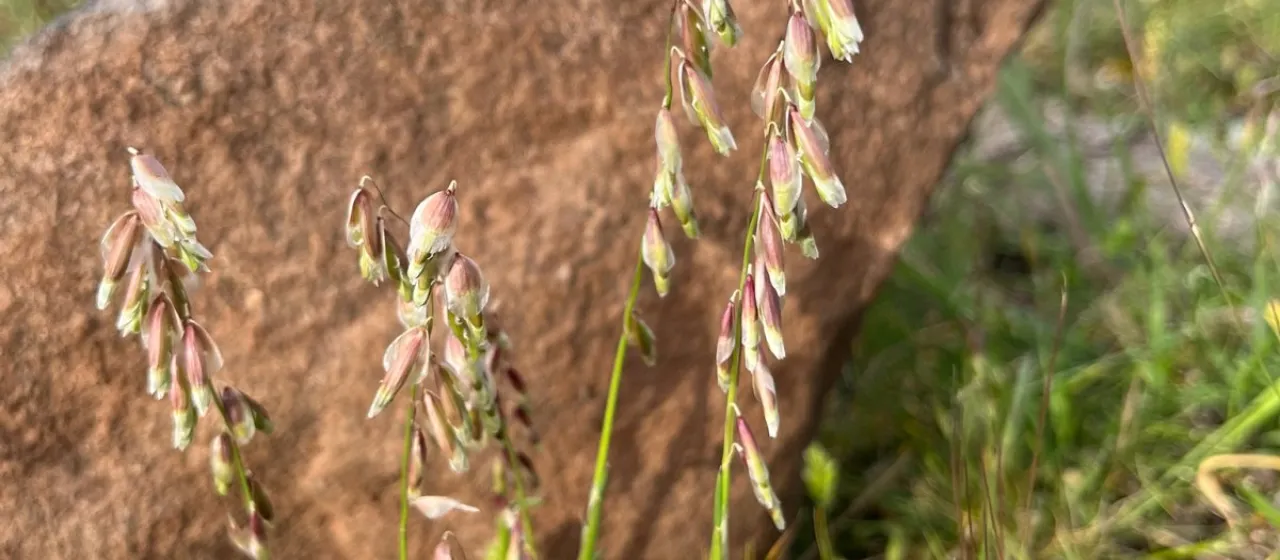
Description
Melica macra is a perennial grass species belonging to the Poaceae family. This plant is recognized for its robust growth habit and is significant in both natural grassland ecosystems and potential agricultural applications. As a forage grass, it is studied for its ability to provide consistent green biomass in challenging environmental conditions, particularly in its native regions of South America.
The origin and natural range of Melica macra are linked to open prairies and steppe regions. These habitats require plants to be highly resilient to variable moisture levels and diverse temperature regimes. Over time, the species has adapted to survive in environments that fluctuate between periods of excessive growth and moderate drought, making it a subject of interest for sustainable agricultural development in similar temperate zones.
Botanically, this grass is defined by its tussock-forming structure, which allows for effective soil moisture retention and stabilization. The stems are typically erect, and the foliage is characterized by slender, durable leaves that provide nutritional value for livestock. The reproductive phase involves the development of characteristic panicles, which produce high volumes of viable seeds, facilitating natural reseeding and population stability.
Agronomic requirements for Melica macra include well-drained soils ranging from sandy loams to heavier clay-loam structures. It thrives in locations with good sunlight exposure and moderate fertility levels. Proper cultivation techniques involve surface sowing or shallow drilling during the early growing season. Maintaining appropriate weed control during the seedling stage is critical to ensuring the establishment of a healthy, long-lasting stand.
The primary agricultural uses for this species include:
- Establishing high-quality pastures for sustainable livestock grazing.
- Producing fodder, provided the harvest occurs before the lignification stage.
- Erosion control on sloped terrains and degraded land rehabilitation.
- Integrating into environmental restoration projects to improve biodiversity.
While generally robust, Melica macra can be susceptible to common cereal pathogens such as rusts and mildews under high humidity conditions. Pest pressures typically include aphids and cereal flies. The most effective management strategy involves balanced crop nutrition, proper drainage, and the selection of disease-resistant management cycles that prevent the accumulation of pests within the forage stand.