
Description
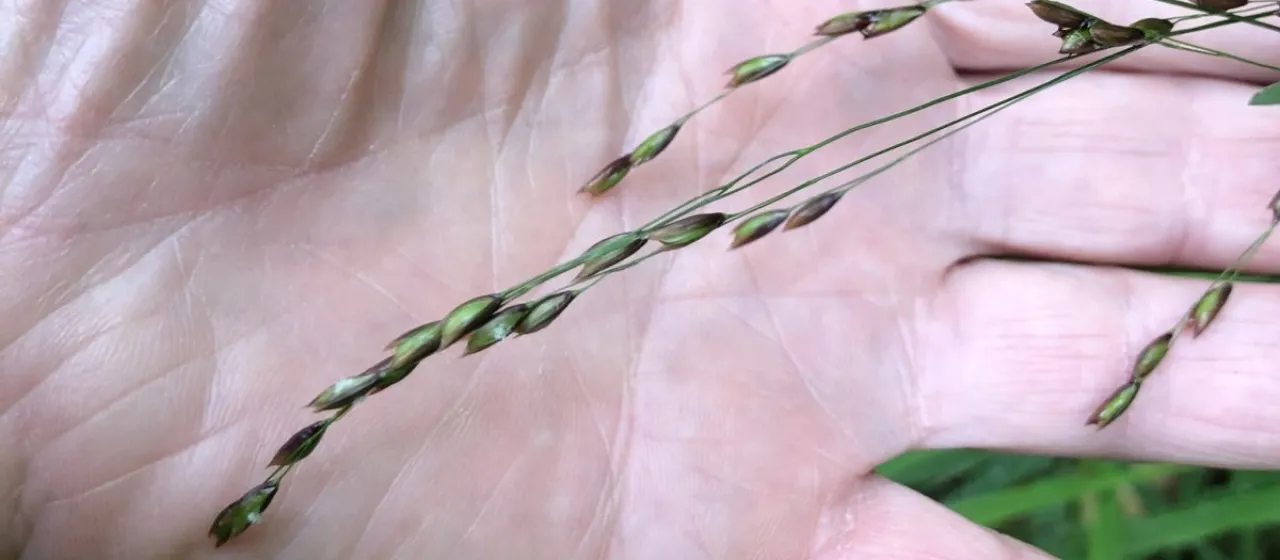
Wood melick (lat. Melica uniflora) is a perennial grass species belonging to the Poaceae family. This species is native to European and Western Asian forest ecosystems. Known for its graceful habit and preference for shaded environments, this plant is an essential component of woodland biodiversity and has agricultural potential for shade-tolerant pasture management.
The plant originates from the temperate regions of Europe and the Caucasus. It typically occupies deciduous forests and forest edges, where it thrives in soil enriched with organic matter. Its ability to tolerate low-light conditions makes it a subject of interest for agroforestry systems and sustainable soil management in wooded areas.
Botanically, Wood melick is characterized by slender culms growing up to 60 cm in height and delicate, one-sided panicles. The leaves are narrow and soft, contributing to the overall aesthetic of the plant. It reproduces through a mix of seeds and vegetative development, forming loose tufts that help prevent soil erosion in hilly terrains.
Cultivation requirements for this species include rich, well-drained, and moderately moist soils. Unlike traditional pasture grasses that require full sun, Wood melick is highly adapted to shady environments with neutral to slightly acidic pH levels. Proper agrotechnology involves avoiding waterlogging while ensuring consistent soil hydration during the germination phase.
The primary use of Wood melick lies in ecological restoration and its potential as a forage grass in forested pasture settings. While generally robust, the plant can be susceptible to rust diseases and pests such as grass flies if planting density is too high. Effective management involves regular monitoring of leaf health and maintaining natural biodiversity to suppress potential outbreaks.