
Description
Toothed sweet clover (Melilotus dentatus) is a biennial or annual legume belonging to the Fabaceae family. It is recognized in agriculture for its exceptional hardiness and its ability to thrive in challenging soil conditions where other forage crops might struggle to establish or produce sufficient biomass.
The native range of this plant extends across large parts of Europe and Asia. It is naturally adapted to moist environments, including salt-affected meadows and floodplains, making it a critical species for agricultural projects aiming to reclaim and improve the productivity of marginal or degraded lands.
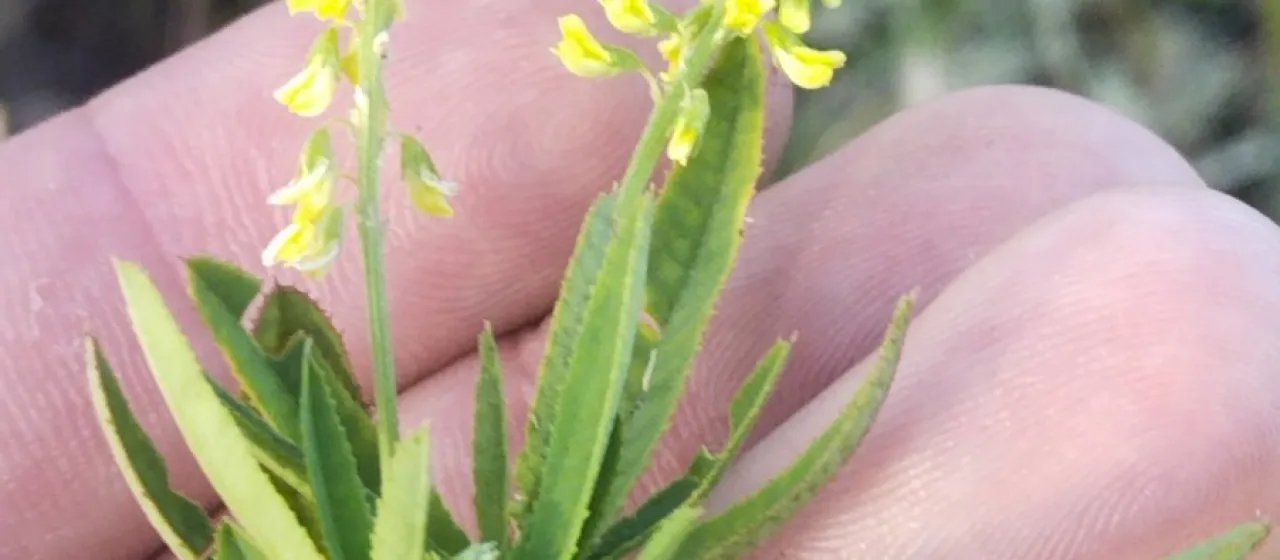
Botanically, Melilotus dentatus exhibits a branched stem and trifoliate leaves with distinctively dentate (toothed) margins, which differentiates it from other clover species. Its yellow flowers, arranged in loose racemes, serve as a valuable resource for pollinators, specifically honeybees, during the mid-to-late summer flowering period.
Agricultural requirements for toothed sweet clover include a well-prepared seedbed with adequate moisture for germination. Once established, the crop demonstrates high salt tolerance and can withstand periodic waterlogging. It requires minimal fertilization due to its ability to fix atmospheric nitrogen via symbiotic relationship with soil bacteria.
- Excellent forage quality for livestock when managed correctly.
- Superior soil structure improvement through deep root penetration.
- High nitrogen fixation rates for soil enrichment.
- Tolerance to saline and alkali-rich soil conditions.
In practice, the crop is utilized for hay production, pasture grazing, and as a green manure crop in sustainable farming rotations. Farmers value it for its versatility and low maintenance needs. In forage systems, it is recommended to harvest before full maturity to optimize the protein-to-fiber ratio and manage coumarin levels effectively.
Management of pests and diseases is essential for securing high yields. Common threats include root-feeding weevils and various leaf-eating beetles that can impact vegetative growth. Crop rotation and scouting are the primary methods for mitigation, helping to minimize the need for chemical interventions and promoting a healthy field environment.