
Description
Italian sweet clover (Melilotus italicus) is an annual leguminous plant belonging to the Fabaceae family. Recognized for its rapid growth and nitrogen-fixing capabilities, this crop serves as a valuable resource for both livestock feeding and soil management in agricultural systems, particularly in Mediterranean-type climates.
The species is native to the Mediterranean region, with its natural distribution spanning parts of Southern Europe, North Africa, and Western Asia. It is highly adapted to warm environments and is particularly valued for its resilience in regions prone to summer droughts, where it can provide substantial biomass when other forage crops fail.
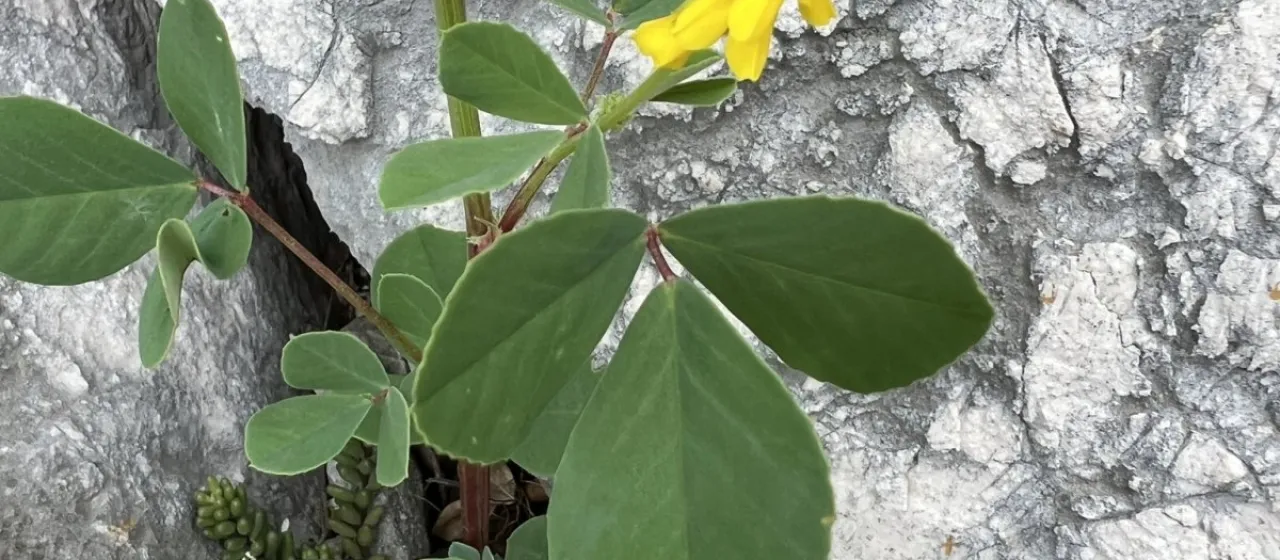
Botanically, Melilotus italicus is characterized by an erect, branched stem that typically grows to a height of nearly one meter. It produces trifoliate leaves and produces clusters of small yellow flowers. The plant's deep taproot system is essential for nutrient uptake and soil structure improvement, making it an excellent candidate for crop rotation schemes.
Regarding cultivation, Italian sweet clover prefers sunny locations with neutral to slightly alkaline soil types. It is not tolerant of highly acidic or waterlogged soils. Successful establishment requires precise seedbed preparation and adequate sowing density. As an annual crop, it completes its life cycle quickly, which simplifies its integration into various agricultural sequences.
The economic and agricultural utility of this plant is multifaceted:
- high-protein forage production for ruminants;
- green manure application to boost soil nitrogen levels;
- prevention of soil erosion on vulnerable agricultural lands;
- support for pollinator populations, as it is a prolific honey plant.
Typical plant health challenges include fungal diseases like powdery mildew, which can occur during humid periods. Pests such as aphids and clover weevils may target the foliage and reproductive structures. Maintaining optimal density and monitoring plant development are key strategies to prevent widespread infestations and ensure stable yields of this beneficial legume.