
Description
Field sweet clover, scientifically identified as Melilotus segetalis, is an annual or biennial herbaceous plant belonging to the Fabaceae family. Recognized for its agricultural versatility, this crop is widely utilized for its capacity to improve soil structure and fertility through nitrogen fixation, making it a valuable asset in sustainable farming.
The species originates from the Mediterranean region and has successfully naturalized across various climates in Southern Europe and Northern Africa. It is highly valued in agronomy for its resilience, as it thrives in poor soils, including degraded, saline, or sandy lands where other high-value crops struggle to establish.
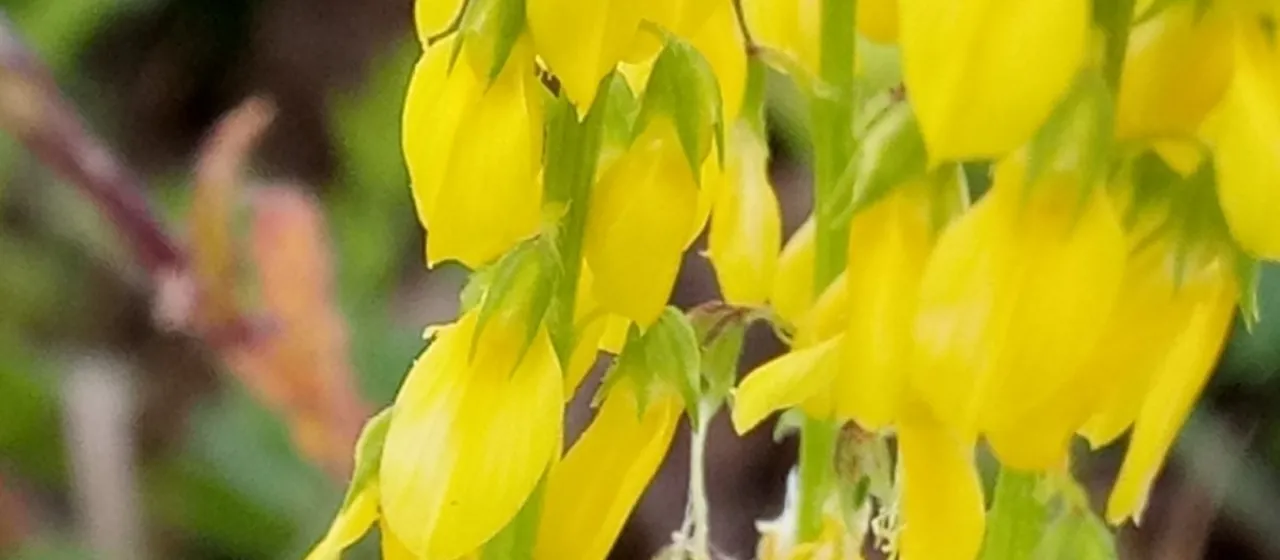
Botanically, Melilotus segetalis is characterized by a sturdy, branched stem that can reach significant heights, and its signature trifoliate leaves. The plant produces yellow, raceme-like flower clusters that are highly attractive to pollinators. The seeds are small and possess a hard coat, necessitating mechanical scarification to ensure optimal germination rates in the field.
Regarding cultivation requirements, the plant prefers well-drained soils and demonstrates excellent drought tolerance once established. It is an undemanding crop that requires minimal specialized maintenance, though seedbed preparation is vital to reduce competition from weeds in the early stages of growth. Late winter or early spring seeding is recommended to capitalize on soil moisture.
Main areas of agricultural application include:
- Green manure application for soil organic matter enrichment.
- Forage production for livestock, providing a nutritious protein source.
- High-quality honey production for the apiculture industry.
- Soil stabilization and erosion control on vulnerable sloped lands.
Like other legumes, this crop is susceptible to specific pests such as weevils and aphids, as well as fungal issues like powdery mildew if stagnant moisture is present. Proper crop rotation and field sanitation remain the most effective strategies for minimizing these biological risks and ensuring a consistent and healthy yield of biomass.