
Description
Melinis nerviglumis is a perennial grass species belonging to the Poaceae family. Known for its compact growth habit and elegant, feathery inflorescences, it has become a popular choice for ornamental gardens. Its ability to maintain a neat appearance throughout the growing season makes it highly valued by landscape architects.
The plant is native to Southern Africa, where it thrives in open grassland areas and on slopes with well-drained soils. In cultivation, it has been introduced to various regions with similar climates, particularly those that experience warm, dry summers. Its natural adaptation to harsh conditions makes it an excellent choice for low-maintenance landscaping.
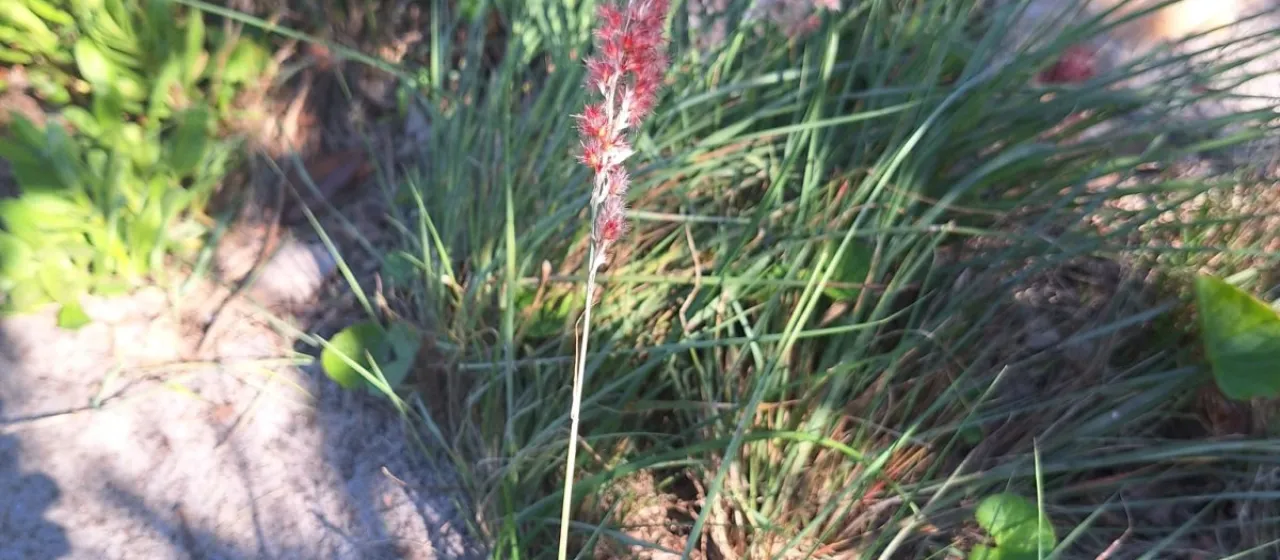
Botanically, the plant features slender, grey-green foliage that forms dense tufts. The highlight of this species is its paniculate inflorescences, which shift in color from pale hues to vibrant pinks or silvers as they mature. The plant typically reaches a height of 60 to 80 centimeters, making it versatile for borders or small gardens.
Cultural requirements involve full sun exposure and well-drained, porous soil. Melinis nerviglumis is highly drought-tolerant once established, but it cannot survive in waterlogged conditions, especially during the winter months. Proper maintenance includes cutting back the foliage in early spring to encourage fresh, healthy new growth.
- Exceptional drought tolerance.
- Preference for sunny, open locations.
- High ornamental value of seed heads.
- Sensitivity to soil drainage conditions.
The primary use of this grass is in ornamental gardening, particularly in rock gardens or as part of drought-tolerant landscape schemes. It is generally resistant to major pests and diseases, provided it is grown in suitable, well-drained soil. Overwatering remains the most significant threat to the plant's long-term health.