
Description
Meliosma pinnata is a woody plant species belonging to the Sabiaceae family. As an evergreen tree, it can grow to considerable heights in its natural habitat, developing a dense and spreading canopy. The species is highly regarded in horticulture for its ornamental value, characterized by its distinctive pinnate leaves and specialized inflorescences typical of this botanical family.
The native range of the species encompasses the tropical and subtropical regions of Southeast Asia. It is commonly found in the forest ecosystems of Indonesia, the Philippines, Vietnam, and China. In cultivation, the tree requires specific climatic conditions, favoring areas characterized by the absence of severe frost and consistent natural rainfall throughout the growing season.
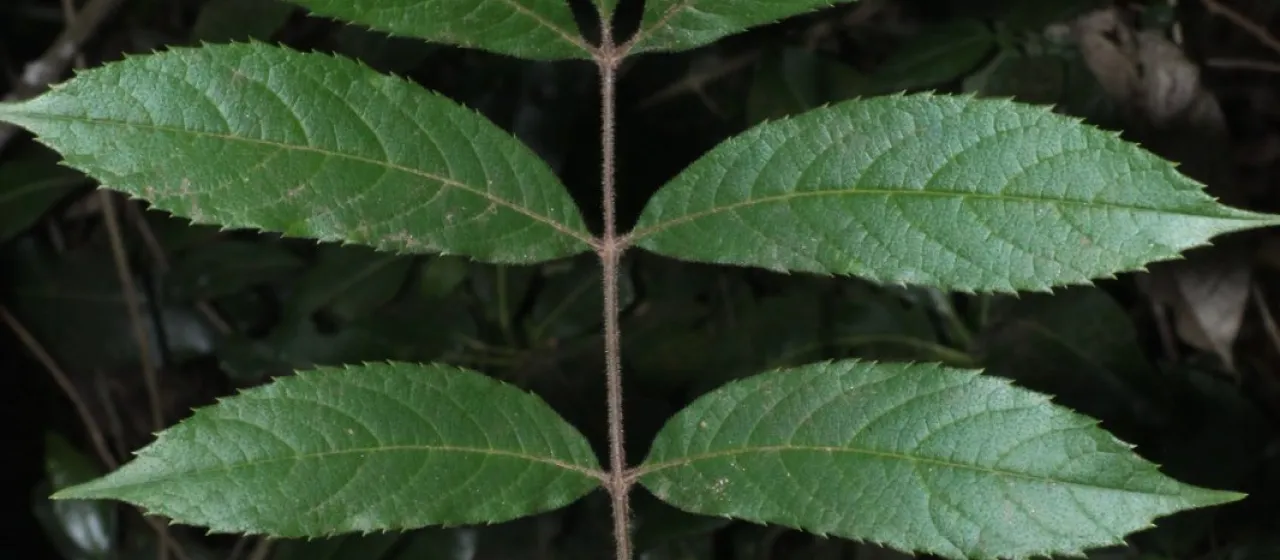
Botanically, Meliosma pinnata is defined by its alternate, imparipinnate leaves. The inflorescences are generally panicles consisting of small but numerous flowers that attract various pollinators. The fruits are small drupes that develop a distinct coloration upon maturity, providing an essential food source for local bird populations and wildlife within its range.
The agronomic management of this species involves selecting sites with fertile, well-draining soil that exhibits a slightly acidic to neutral pH. The plant is sensitive to waterlogged conditions in the root zone, making high-quality drainage essential when planted in heavy clay soils. Regular applications of complex mineral fertilizers are recommended to promote healthy foliage development and vigorous tree growth.
The economic and practical use of Meliosma pinnata is focused primarily on ornamental landscaping and park development in compatible climatic zones. In forestry contexts, the species contributes to biodiversity restoration and ecosystem stabilization. Major health threats to the crop include fungal pathogens during periods of high humidity and infestation by common tropical tree pests, such as scale insects and leaf-eating beetles.
- Good tolerance for partial shade conditions.
- Necessity for wind protection in exposed locations.
- Importance of regular phytosanitary monitoring.