
Description
Meliosma rigida is an evergreen woody species belonging to the Sabiaceae family. Known for its distinct foliage and dense structure, this plant is primarily recognized in botanical circles and specialized landscaping for its architectural beauty. While it does not serve as a mainstream industrial crop, its ecological resilience makes it a subject of interest for conservationists and landscape architects focused on subtropical plant palettes.
The native distribution of Meliosma rigida spans across East Asia, predominantly in regions of China and Taiwan. The species is well-adapted to the climatic conditions of mid-to-high altitude forests, where it benefits from high humidity and stable annual temperatures. Its presence in these habitats is critical for local biodiversity, providing shelter and a food source for diverse avian and insect species.
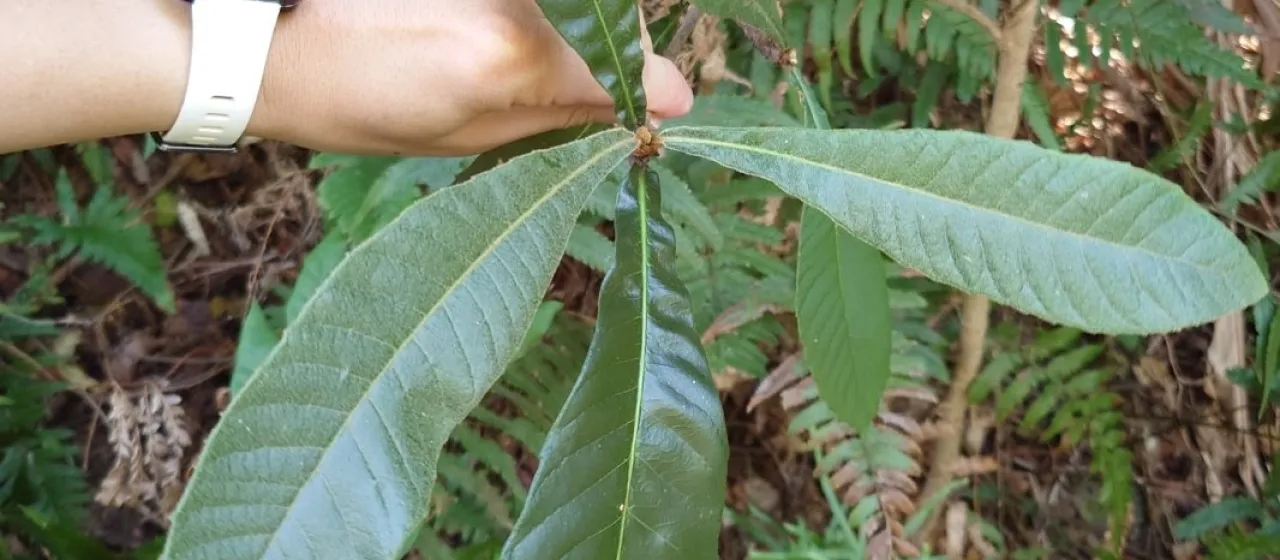
Botanically, the plant is characterized by its tough, leathery leaves that exhibit prominent venation, contributing to its common nomenclature. The small, fragrant flowers are arranged in terminal panicles, which add a subtle aesthetic appeal during the blooming season. The plant's growth habit is generally slow, emphasizing a long-term development strategy typical of many forest-dwelling evergreen trees.
Cultivation requirements for this species emphasize the need for well-draining, nutrient-rich soil with a slightly acidic to neutral pH. Proper soil management is vital to prevent root rot, which is a common failure point for this plant in managed garden environments. In terms of climate, it thrives in environments that avoid extreme heat or severe frost, making sheltered locations ideal for its establishment.
Regarding health management, Meliosma rigida can be susceptible to common pests such as mealybugs and scale insects, particularly if the plant is stressed by poor air circulation. Effective agronomic practices include routine pruning to enhance canopy ventilation and the use of organic protective agents to mitigate the risk of leaf spots and other fungal complications during the rainy seasons.
- Requires consistent moisture but excellent soil drainage to survive.
- Benefits from occasional application of balanced, slow-release fertilizers.
- Can be propagated through seeds or semi-hardwood cuttings under greenhouse conditions.