
Description
Meliosma tenuis is a distinctive plant species belonging to the Sabiaceae family. While not a conventional agricultural crop, it remains a plant of significant botanical interest, often cultivated in specialized nurseries and private collections that focus on maintaining rare woody flora from East Asian origins.
The natural range of this species is primarily located in the mountainous forests of East Asia, specifically China. Its ecological niche is defined by subtropical climatic conditions, characterized by high atmospheric humidity and seasonal temperature stability, which are vital for the healthy development of this delicate tree or shrub.
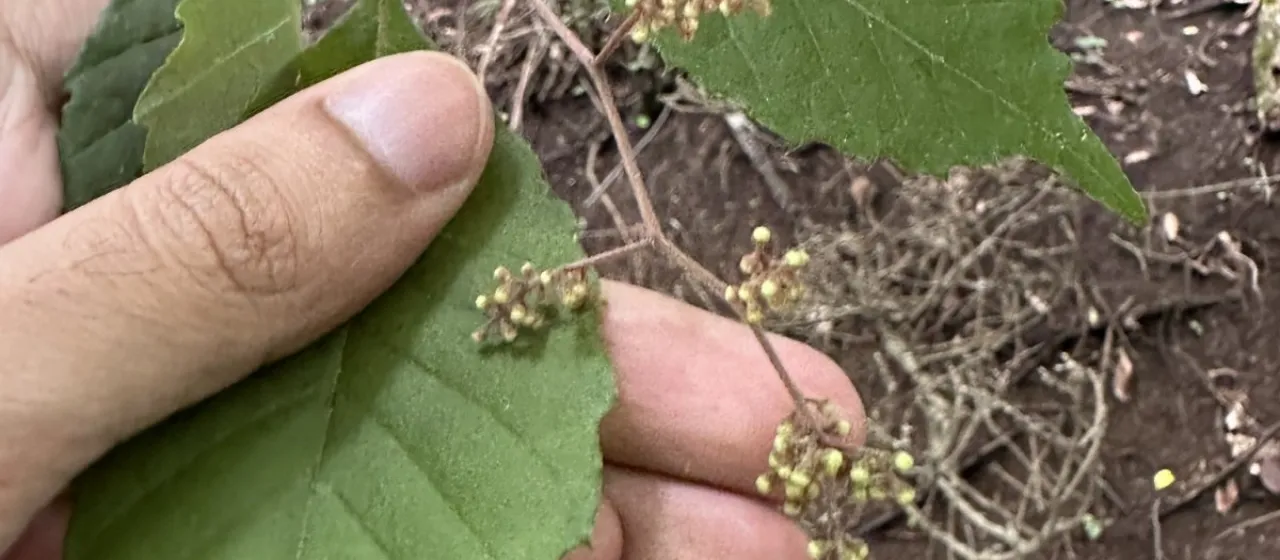
Botanically, the plant is recognized by its slender, flexible branching habit, which justifies its specific epithet. It features simple leaves with a unique structure and panicle inflorescences that attract various pollinators. The plant’s overall morphology is well-adapted to the understory or edge-of-forest environments where light levels are filtered rather than direct.
Cultivation requirements necessitate a well-drained, nutrient-rich soil with a slightly acidic profile. For successful agronomic management, it is crucial to maintain moisture levels without creating a waterlogged environment, which the root system of Meliosma tenuis is particularly sensitive to. Providing mulch helps maintain stable root temperatures throughout the year.
In terms of practical use, the plant is valued primarily as a decorative ornamental. It is frequently incorporated into landscape design for exotic gardens where its fine-textured foliage can be highlighted. There is currently no large-scale commercial agricultural application, as its propagation is slow and sensitive to environmental changes.
Health management of the plant involves vigilance against several common issues:
- Fungal root rot caused by poor soil drainage.
- Powdery mildew triggered by high humidity combined with stagnant air.
- Infestation by scale insects or spider mites, particularly in suboptimal indoor or sheltered environments.