
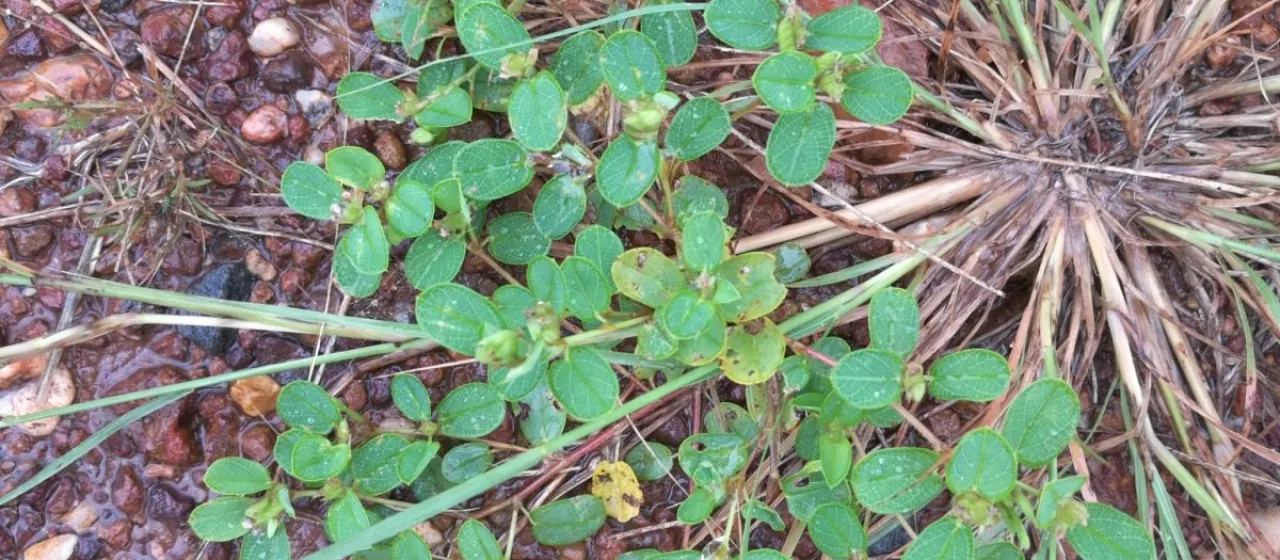
Description
Melliniella micrantha is a unique member of the grass family (Poaceae) and represents a monotypic genus. This annual herbaceous plant is primarily recognized for its limited geographic range and specific habitat preferences. Although not widely commercialized, it serves as an interesting subject for agronomic research, particularly regarding its adaptation to wetland environments.
The native range of this species is located within specific tropical regions of Africa. It thrives in ecosystems characterized by high moisture availability, such as marshlands, riverbanks, and areas subject to seasonal flooding. Its survival strategy is deeply linked to the availability of water, allowing it to occupy niches where other grasses might struggle due to saturation.
Botanically, Melliniella micrantha features a slender structure with narrow leaves, which is characteristic of the Poaceae family. The plant's most distinct feature is its inflorescence—a panicle composed of extremely small spikelets, which gives the species its scientific name. Its root system is fibrous and dense, providing excellent anchoring in soft, waterlogged substrates.
When considering agronomic requirements, this plant demands high humidity and plenty of solar radiation for optimal development. Cultivation trials suggest that soil moisture management is the most critical factor for success. Without adequate water, the plant fails to reach its productive potential. It is best suited for marginal lands where standard cereal crops would fail due to excessive soil moisture.
The susceptibility of Melliniella micrantha to pests and diseases is typical for tropical wetland grasses. Potential issues include fungal infections like leaf spot or rust, which flourish in humid conditions. Integrated pest management and ensuring adequate air circulation around the plants can help reduce the impact of these pathogens on biomass quality and overall plant health.
- Family: Poaceae
- Life Cycle: Annual grass
- Climate Suitability: Tropical regions
- Key Requirement: High soil moisture levels
- Agricultural Use: Forage for livestock, soil stabilization