Melocactus intortus
Melocactus intortus
Description
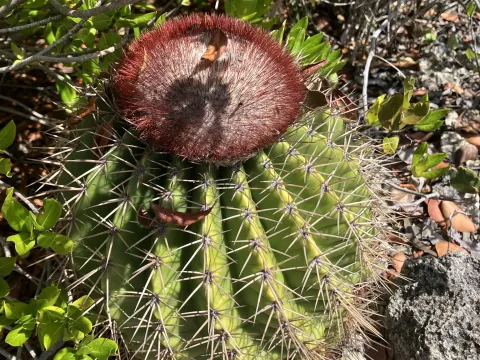
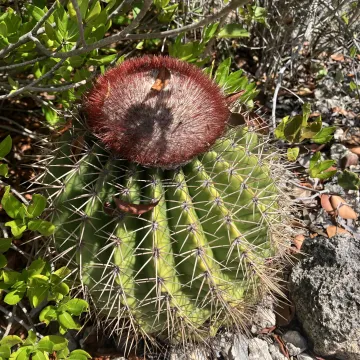
Melocactus intortus is a perennial succulent plant belonging to the Cactaceae family. This species is biologically distinct due to its characteristic cephalium, a specialized woolly structure that develops at the top of the stem, serving as the site for flower and fruit production. As the plant matures, the stem develops a globose or slightly columnar shape, featuring prominent ribs covered with dense, sharp spines.
The native range of this species extends across the Caribbean islands and coastal areas of Central America. It thrives in arid, rocky environments where exposure to intense sunlight is consistent. In horticultural practice, it is primarily cultivated in greenhouses and conservatories, as it requires highly specific environmental controls that mimic its natural tropical habitat to remain healthy and productive.
Botanically, Melocactus intortus is recognized for its slow development and the late emergence of the cephalium. Once the plant reaches maturity, it produces small, vibrant pink or purple flowers emerging from the cephalium, followed by fleshy, reddish berries containing numerous seeds. This unique reproductive morphology distinguishes it from many other cactus genera and makes it a focal point in botanical horticulture.
The cultivation of Melocactus intortus requires rigorous adherence to agronomic standards. The substrate must be highly porous, consisting of inorganic components such as coarse sand, pumice, and gravel to facilitate perfect drainage. Light intensity must be high, and watering must be managed with extreme caution to prevent excessive humidity, which is the primary cause of physiological stress and root rot in this species.
The primary use for this species is in specialized ornamental horticulture and botanical research collections. Because it is highly sensitive to environmental fluctuations, professional care is necessary to mitigate risks from pests and diseases. Common management challenges include:
- Mealybug infestations within the densely packed cephalium wool.
- Spider mite outbreaks in dry, poorly ventilated conditions.
- Fungal pathogens leading to vascular rot caused by overwatering or poor drainage.
Photo gallery