
Description
Melochia mollis is a botanical species belonging to the Malvaceae family. Recognized for its distinct growth habit, this plant is a member of a diverse genus often studied for its physiological characteristics and its role in tropical ecosystems. It serves as a biological reference point for understanding the adaptation of malvaceous plants to specific subtropical and tropical conditions.
Originating primarily from the American tropics, Melochia mollis occupies a range of habitats including secondary forests and clearings. Its distribution is closely linked to environments that offer stable warm temperatures throughout the growing season, which is essential for its biological development and biomass production.
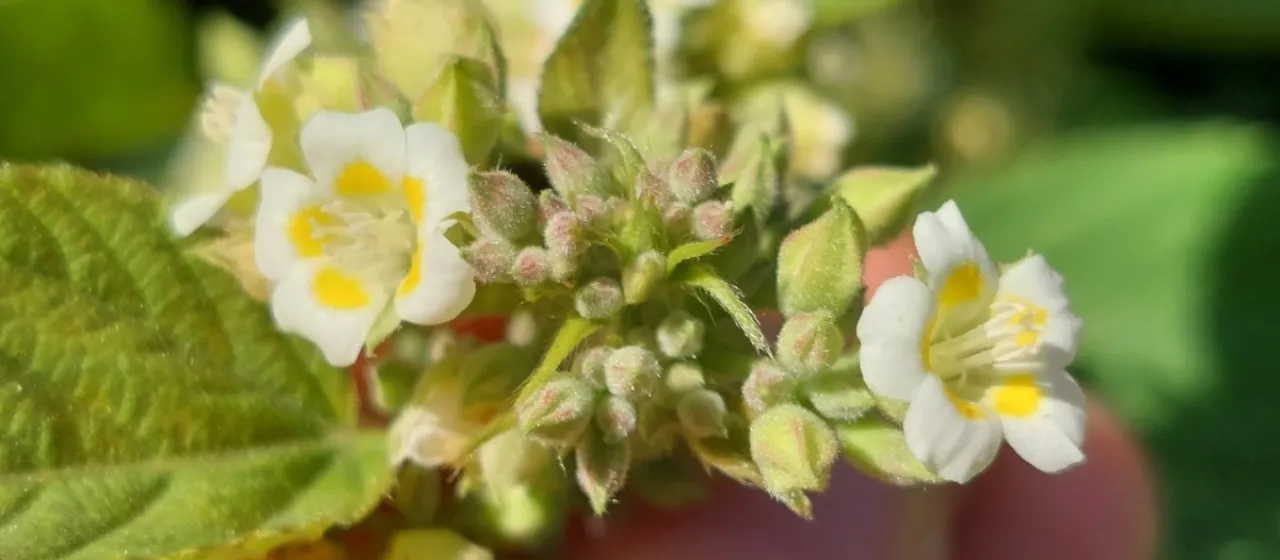
The morphology of the plant is defined by its pubescent stems and leaves, which serve as a protective mechanism against environmental stressors. The leaves are typically simple and arranged alternately, often displaying serrated margins. The flowering process is characteristic of the Malvaceae family, featuring delicate flowers that facilitate cross-pollination by local insect populations.
Agricultural success with Melochia mollis requires attention to soil structure and drainage. It thrives in well-aerated soils with a neutral pH level. Proper management involves maintaining soil moisture without causing saturation, as the roots are susceptible to decay if drainage is inadequate. The plant generally responds well to controlled irrigation and careful nutrient management during its primary vegetative stage.
From a utilization perspective, the plant is evaluated for its fibrous potential, similar to other species within the genus. While commercial cultivation is niche, researchers are investigating the chemical properties of its tissues. Potential applications include development of natural fiber products and ongoing screening for compounds with agricultural or pharmacological value.