
Description
Melochia parviflora, commonly known as small-flowered melochia, is a perennial plant species belonging to the Malvaceae family. This plant is recognized for its robust growth patterns in tropical environments and is often studied for its adaptability in various agricultural and ecological contexts within its native range.
Originating from tropical America, the species is widespread across the Caribbean and Central and South America. It typically thrives in sunny, open habitats and is frequently found colonizing disturbed soils, field edges, and pasture lands, displaying an opportunistic survival strategy common to many plants in the mallow family.
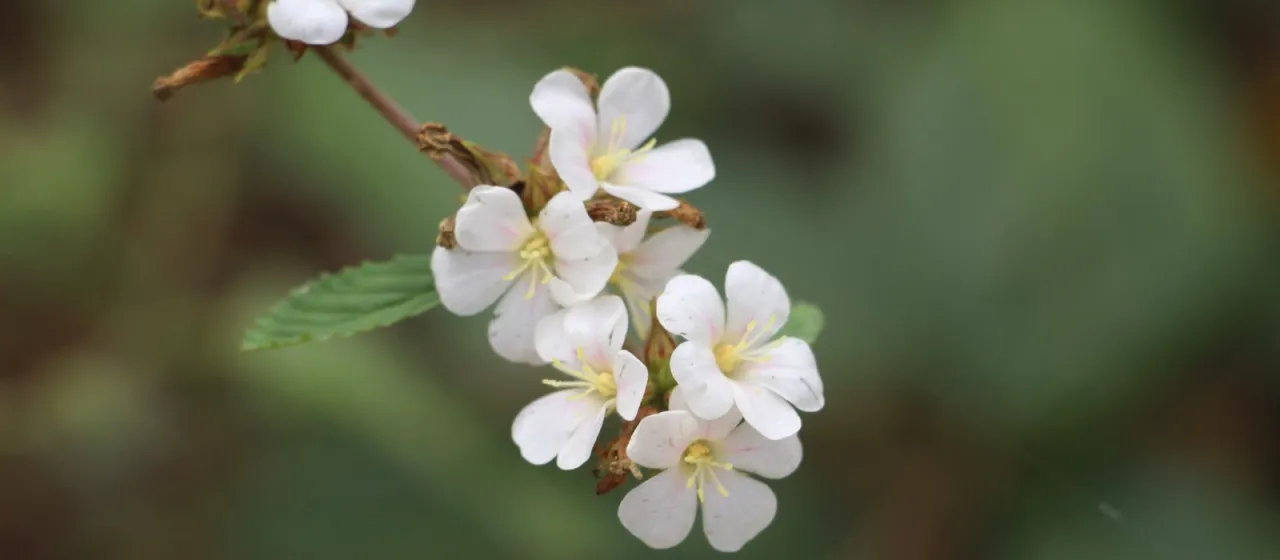
Botanically, it presents as an herbaceous shrub with simple, serrated leaves and small, delicate flowers arranged in clusters. The plant's morphology is designed to maximize photosynthesis in high-light environments. Its root structure is relatively fibrous and dense, providing stability and efficient nutrient uptake in soils that may vary from clay-heavy to sandy loam.
Successful cultivation requires a warm, frost-free climate with consistent rainfall. The plant prefers well-drained, fertile soil and is relatively undemanding in terms of specialized agricultural inputs, though clearing competition from other aggressive weeds is recommended during the early establishment phase to ensure proper development of the canopy.
Economically, the plant is primarily utilized for land restoration and soil cover, helping to mitigate erosion in vulnerable areas. While research is ongoing regarding its nutritional value for livestock, it serves as a valuable nectar source for pollinators, contributing to local biodiversity and supporting apiculture in regions where it is allowed to grow naturally.