
Description
Woolly pyramid bush (Melochia tomentosa) is a perennial evergreen shrub belonging to the Malvaceae family. Recognized for its structural beauty and resilience, this plant thrives in challenging environments where many other species struggle to establish themselves, making it a subject of interest for sustainable gardening.
The plant originates from tropical regions of the Americas, including the Caribbean, Mexico, and South America. Its natural habitat consists of dry scrublands, rocky hillsides, and coastal areas, where it has evolved to withstand high temperatures and erratic rainfall patterns throughout the year.
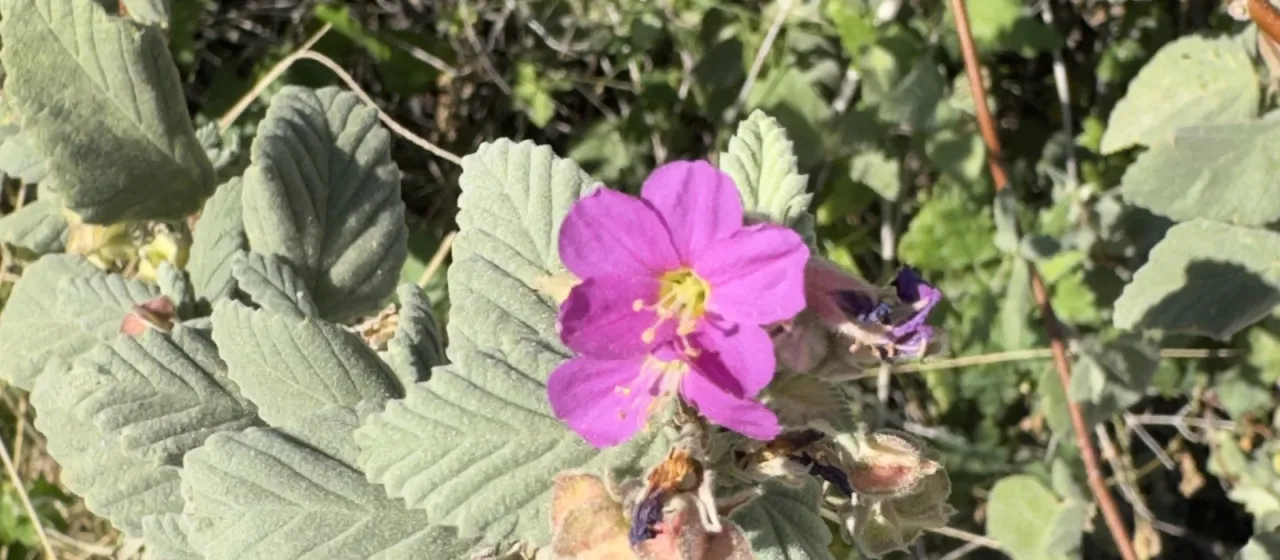
Botanically, Melochia tomentosa is characterized by its distinct tomentose (woolly) leaves, which provide a soft, greyish-green appearance. The shrub produces small, vibrant pink-to-purple flowers that bloom periodically, depending on environmental moisture levels, acting as a magnet for various pollinators in its native range.
Agricultural and landscape requirements for this species are relatively modest. It demands full sun exposure and thrives in well-draining, sandy, or rocky soils. Over-irrigation is the most common cause of failure in cultivation; therefore, growers must ensure that the root zone remains dry between waterings to mimic its natural, arid growing conditions.
Potential uses for the woolly pyramid bush include:
- Ornamental use in xeriscaping and sustainable landscaping.
- Support for native pollinator populations.
- Soil stabilization in prone-to-erosion dry areas.
- Experimental applications in traditional phytotherapy.
Regarding pest and disease management, the plant is remarkably robust. However, in poorly ventilated or excessively humid conditions, it can become susceptible to root rot and fungal leaf spots. Regular pruning is recommended not only to shape the shrub but also to improve airflow within the canopy, preventing the onset of moisture-related infections.