
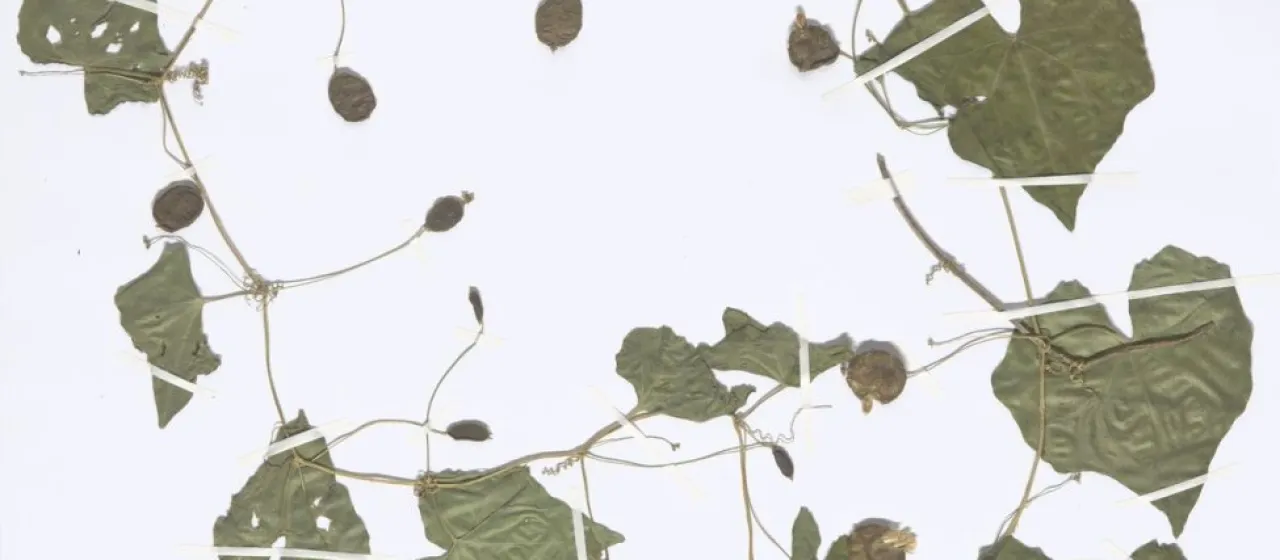
Description
Melothria fluminensis is a herbaceous vine belonging to the Cucurbitaceae family. Like many members of its botanical lineage, it displays rapid vegetative growth and utilizes specialized tendrils to climb and secure itself to support structures. This species is often appreciated in specialized horticulture for its unique appearance, characterized by slender stems and vibrant green foliage that brings a touch of tropical diversity to a garden or greenhouse.
Native to the regions of South America, particularly Brazil, this plant thrives in humid forest environments. Its natural habitat is defined by consistent warmth and abundant moisture, which dictates its preference for sheltered, temperate to tropical conditions. In colder climates, Melothria fluminensis is typically grown as an annual or a container plant kept indoors during the winter months, as it is highly sensitive to frost.
The botanical profile of the plant features lobed or heart-shaped leaves and distinct, small yellow flowers. The fruits, which are small and berry-like, carry the signature look of the Cucurbit family but on a miniature scale. The root system is relatively shallow, necessitating consistent irrigation to maintain soil moisture levels without reaching waterlogging, which the plant does not tolerate well.
Cultivation requirements involve providing a nutrient-rich, well-draining soil mix with a slightly acidic to neutral pH. Providing a strong trellis or netting is essential for the vine to reach its full potential, as this allows for optimal air circulation and sun exposure for the leaves. Proper light management—balancing sufficient brightness with protection from harsh direct sun—is critical for preventing leaf scorch and ensuring vigor.
The primary utility and interest in this plant include:
- Vertical landscaping and ornamental displays in conservatories.
- Botanical study and preservation of tropical biodiversity.
- Use as an exotic subject in specialized plant collections.
Regarding plant health, the most frequent challenges include fungal infections such as powdery mildew, which thrive in stagnant, humid air. Among pests, spider mites and aphids are the primary threats, as they tend to congregate on the undersides of the leaves. Maintaining high hygiene standards in the growing area, along with regular monitoring, is vital for managing these pests and ensuring the plant remains healthy and productive.