
Description
Taiwan melothria (Melothria formosana) is a herbaceous vine belonging to the family Cucurbitaceae. It is a close relative of the common cucumber but is distinguished by its miniature, aesthetically pleasing fruit and vigorous climbing habit. The plant is prized both for its productivity and its ability to cover vertical surfaces rapidly.
Originating from the island of Taiwan, this species is naturally adapted to subtropical climates. While it is a perennial in its native habitat, it is cultivated as an annual in cooler regions, typically requiring greenhouse conditions or a warm, sheltered location in the garden to complete its growth cycle effectively.
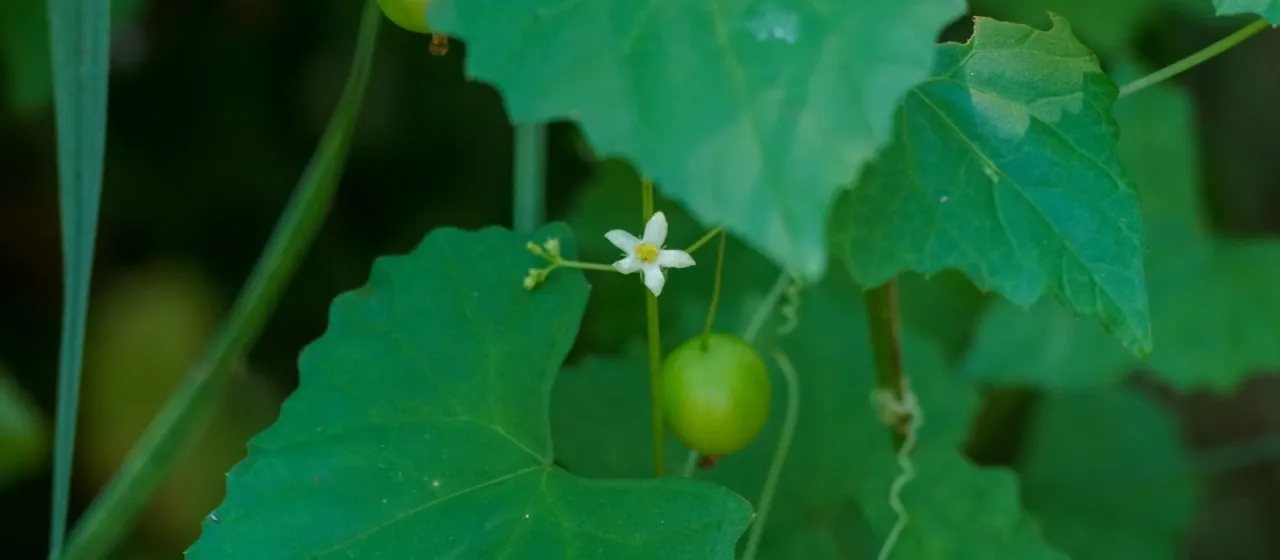
Botanically, Melothria formosana features slender, branching stems and small, lobed leaves. The fruit is oval, smooth, and typically consumed when young. The root system is quite extensive, supporting the rapid expansion of foliage and a high density of fruit production throughout the growing season.
Agricultural requirements include well-draining, nutrient-rich soil with a neutral to slightly acidic pH. The plant demands high light intensity for optimal fruit set and requires consistent moisture. Because it is a climbing vine, trellis systems are mandatory to keep the fruit off the ground and ensure proper air circulation.
- Use of seedling transplants to maximize the growing season.
- Application of balanced fertilizers to support vegetative growth.
- Regular harvesting to encourage continuous production of new fruits.
- Strict monitoring for pests such as aphids and whiteflies.
In terms of хозяйственное (economic) use, the fruits of the Taiwan melothria are highly valued for pickling and fresh consumption in salads, offering a crisp texture and unique flavor profile. Additionally, its aesthetic value makes it a popular choice for vertical gardening, allowing growers to combine edible production with functional landscape design.