
Description
The creeping cucumber (Melothria pendula) is a perennial climbing vine belonging to the Cucurbitaceae family. It is widely recognized for its small, marble-patterned fruits that look like miniature watermelons but offer a taste similar to a tart cucumber, making it a popular choice for home gardens and culinary experiments.
Native to the Americas, ranging from the southern United States through Mexico to Central and South America, this plant thrives in warm, humid climates. It is typically found in disturbed areas, forest edges, and thickets, where it uses its tendrils to climb over existing vegetation to reach sunlight.
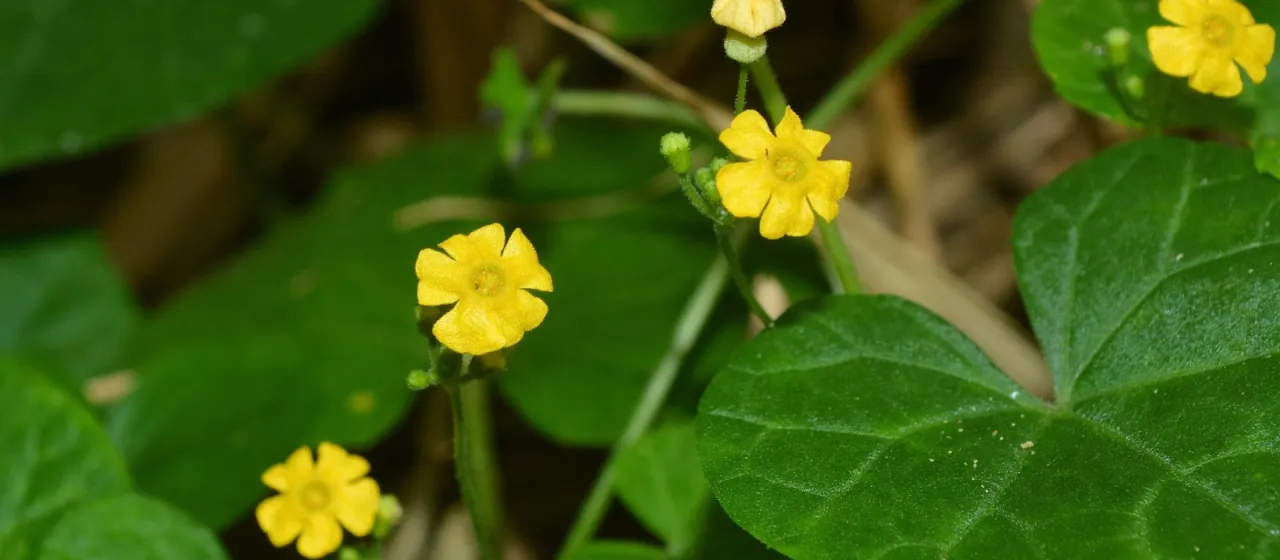
Botanically, Melothria pendula is characterized by its slender, vining stems that can grow several feet in a single season. The leaves are palmately lobed and slightly rough to the touch. The plant produces small, yellow, monoecious flowers, and the resulting fruits turn from a light green mottled appearance to a dark, near-black color as they reach full maturity.
For optimal production, the creeping cucumber requires well-draining, nutrient-rich soil with a slightly acidic to neutral pH. It is a warm-season crop that cannot withstand frost. In temperate climates, it is often treated as an annual, started indoors to ensure a longer growing season. Providing strong support structures such as trellises or fences is essential to keep the foliage aerated and healthy.
- Consistent watering schedules to maintain soil moisture without waterlogging.
- Full sun exposure for the best fruit development.
- Regular application of balanced fertilizers during the peak growing phase.
- Frequent harvesting to encourage continuous production.
Like many cucurbits, this species is susceptible to diseases such as powdery mildew and downy mildew, especially in regions with high humidity. Pests including aphids, cucumber beetles, and spider mites may also affect the plants. In a practical setting, the creeping cucumber is utilized in salads, pickles, or as a garnish, appreciated more for its ornamental and unique textural properties than as a large-scale commercial crop.