
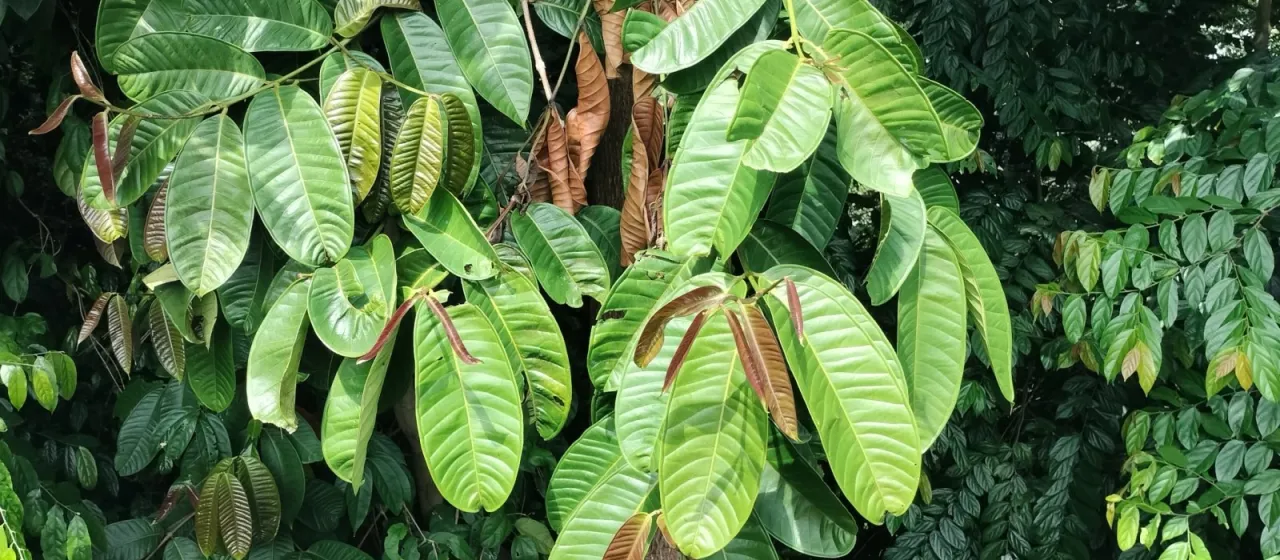
Description
Memecylon excelsum is an evergreen woody species belonging to the Melastomataceae family. Known for its structural resilience and specialized adaptation to humid environments, this plant represents an important element of the tropical forest biodiversity.
The native distribution area is concentrated in the humid tropical regions of Southeast Asia. It typically thrives in primary and secondary forests where the microclimate provides consistent moisture and protection from direct, harsh sunlight in the early stages of development.
Botanically, the species is defined by its coriaceous leaves and a distinctive venation pattern characteristic of the family. The wood is notably dense and durable, contributing to the plant's long-term survival in competitive forest environments.
Agricultural and horticultural requirements emphasize the need for well-draining, slightly acidic soil. Regular, consistent irrigation is vital, although saturation must be avoided to prevent root diseases. In a controlled environment, light management is crucial to mimic the dappled sunlight of their natural canopy habitat.
- Requires consistent tropical temperatures (20–30°C).
- Prefers high relative humidity (>70%).
- Needs regular monitoring for sap-sucking insects like scale.
- Thrives in organic-rich, aerated substrates.
Host plant use is predominantly focused on specialized botanical collections and restoration of tropical landscapes. While not a major commercial crop, its ecological value is significant. The main phytosanitary risks involve leaf spotting fungi and common tropical pests, which are effectively managed through appropriate spacing and air circulation.