
Description
Bush mint (Mentha dumetorum) is a perennial herbaceous plant belonging to the Lamiaceae family. It is a naturally occurring hybrid between long-leaf mint and water mint. The plant is widely recognized for its high essential oil content and its adaptability to moist, temperate environments, making it a subject of interest for specialized herb cultivation.
Its natural range extends across various regions of Europe, where it thrives in wetlands, along riverbanks, and in drainage ditches. As an agricultural crop, it is cultivated in regions with stable moisture levels. The plant's ability to propagate via underground rhizomes allows it to form dense stands, which is a significant advantage for commercial harvesting of its biomass.
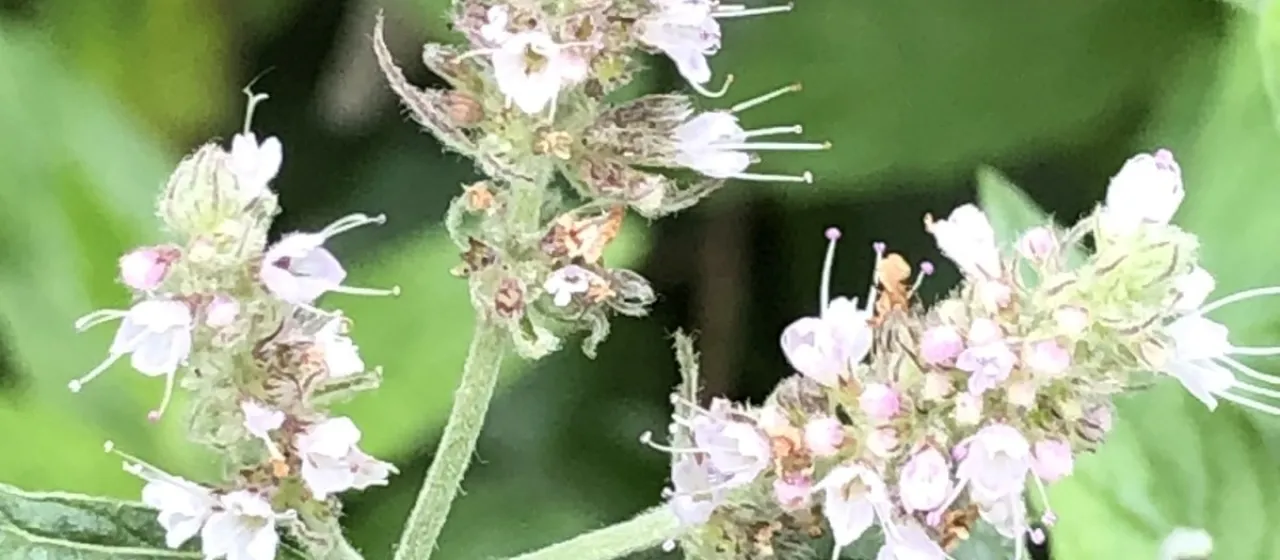
Botanically, bush mint is characterized by stiff, upright stems and serrated, ovate-lanceolate leaves. The inflorescences are dense, spike-like clusters containing small purple or violet flowers that attract numerous pollinators. The root system is vigorous and spreads rapidly, which necessitates controlled cultivation to prevent the plant from becoming invasive in non-targeted areas.
Successful cultivation requires soil that is rich in organic matter and maintains high moisture levels throughout the growing season. While the plant prefers sunny spots, it can tolerate partial shade, provided the humidity remains adequate. Fertilization should focus on nitrogen to stimulate leaf growth, though balanced applications are necessary to ensure optimal essential oil composition.
The primary economic value of bush mint lies in its aromatic oils, which are distilled for use in cosmetics, culinary products, and medicine. Beyond commercial extraction, it serves as an excellent nectar source for bees. Maintenance involves monitoring for common pests like the mint leaf beetle and addressing fungal issues such as rust or powdery mildew, which can significantly reduce the quality of the harvested essential oils.