
Description
Mentha satureioides, commonly known as a type of creeping mint, is a perennial herb belonging to the Lamiaceae family. Unlike common garden mints, this species displays unique morphology that closely resembles savory plants, hence its scientific epithet. It is valued by cultivators for its compact growth habit and distinct aromatic profile that differentiates it from other Mentha species.
Native to Australia, this plant is naturally adapted to specific regional climates, favoring sunny spots and well-drained environments. In agricultural settings, it is grown primarily for its high concentration of volatile oils, which are utilized in various industrial and medicinal applications. It thrives best in regions that mimic its native sub-tropical to temperate habitats.
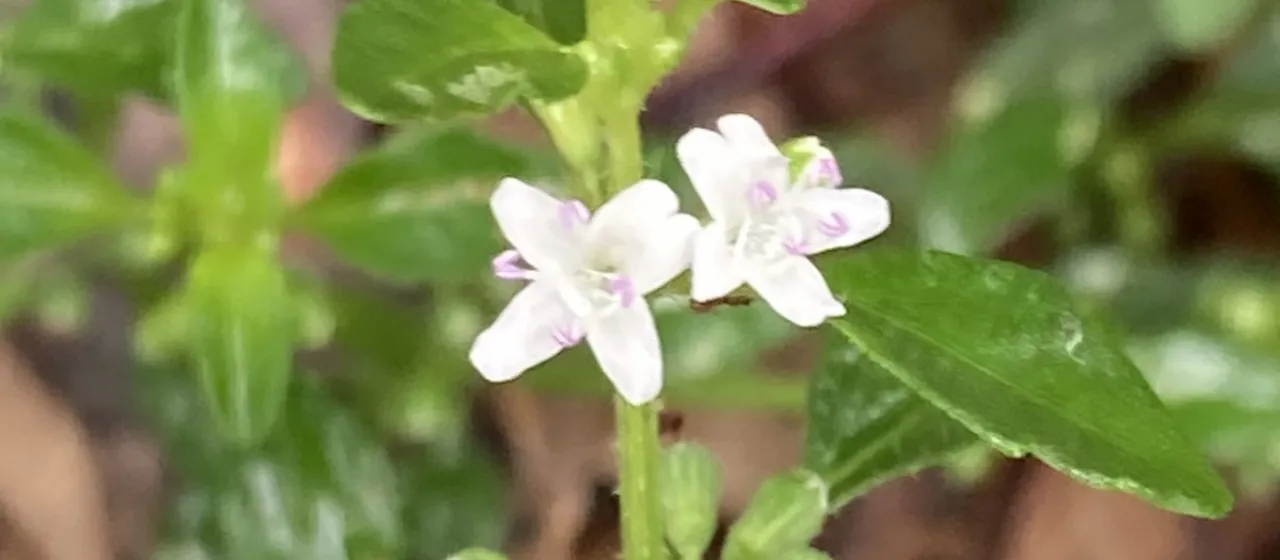
Botanically, the plant is characterized by thin, branched stems and small, narrow, opposite leaves. Its flowers are diminutive, typically appearing in clusters that exhibit the typical structure of the mint family. The plant is noted for its high-quality oil composition, which provides a fresh, herbal, and slightly pungent scent profile, making it a sought-after botanical resource.
Successful cultivation requires loose, fertile, and slightly acidic soil with efficient drainage to prevent waterlogging. It is highly sensitive to soil compaction and prefers full sun exposure to maximize the production of secondary metabolites. Growers should implement a consistent irrigation schedule, ensuring that the moisture levels are balanced to encourage vigorous vegetative growth throughout the season.
The plant serves various purposes, including its use as an aromatic flavoring agent and as a component in herbal medicinal preparations. Common pests affecting this crop include aphids and spider mites, which can be managed with integrated pest management techniques. Fungal issues, such as powdery mildew, often arise if air circulation around the plants is poor, requiring careful spacing and monitoring.