
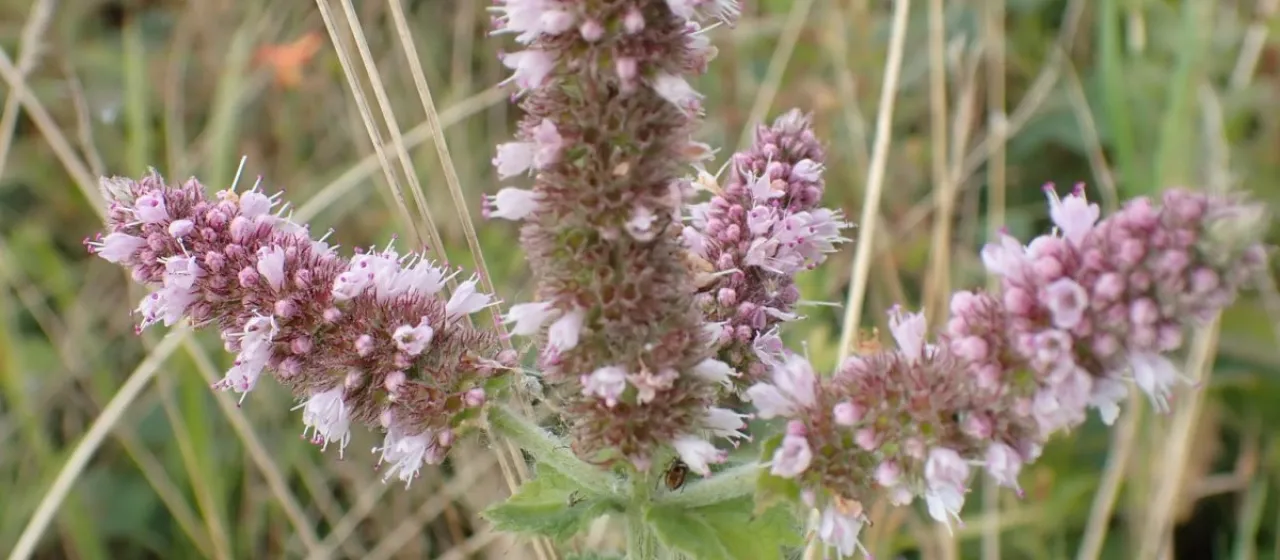
Description
Shaggy mint (Mentha villosa) is a perennial herbaceous plant belonging to the Lamiaceae family. This species is recognized for its significant essential oil content and its distinctive, slightly fuzzy foliage, which sets it apart from other common mint varieties.
Originally native to parts of Europe and Western Asia, this plant has adapted to various temperate regions across the globe. It is commercially cultivated for its aromatic properties and is often preferred in the production of menthol-based essential oils due to its high oil yield and quality.
Botanically, the plant is characterized by its square-shaped stems and opposing, oval-shaped leaves covered with fine hairs, giving them a velvety or "shaggy" texture. The root system consists of vigorous rhizomes, which allow the plant to spread rapidly and form dense ground cover if left unmanaged in the field.
The cultivation of Mentha villosa requires moist, nutrient-rich soil with good drainage. While it thrives in full sun, it can tolerate partial shade in hotter climates. Irrigation is the most critical factor in field management; consistent moisture levels are necessary to maximize biomass production and oil concentration in the leaves.
Key agricultural practices include maintaining row spacing to facilitate weed control and mechanical harvesting. Typical pests affecting this crop include mint beetles and aphids, which can cause significant defoliation. Furthermore, fungal issues like rust are common, necessitating strict crop rotation and the selection of disease-resistant planting material for sustainable cultivation.