
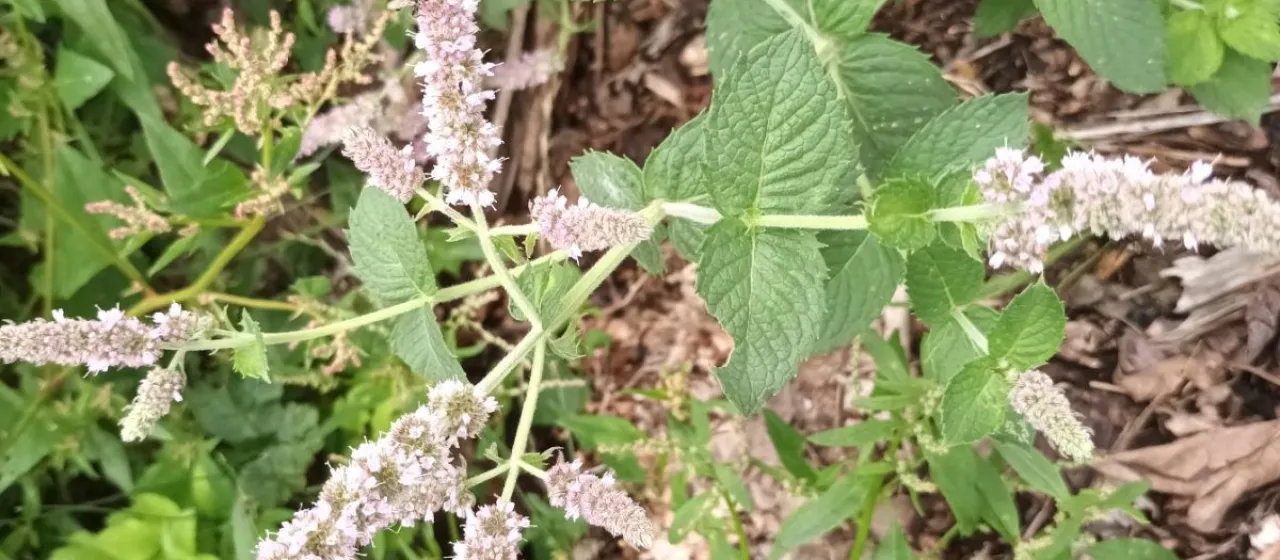
Description
Mentha villosonervata is a perennial herbaceous plant belonging to the Lamiaceae family. It is a recognized hybrid originating from the natural cross-pollination of Mentha spicata and Mentha longifolia. This species is gaining attention in botanical and agricultural circles for its unique chemical composition and robust growth characteristics.
The plant originates primarily from Southern Africa, where it has historically adapted to local climatic conditions. Its distribution and cultivation have spread to regions with similar temperate and subtropical profiles, where it is utilized for both its ornamental value and its potential for essential oil production on a commercial scale.
Botanically, the plant is characterized by its distinctively hairy-veined leaves, from which its Latin name is derived. It features sturdy, upright stems and a vigorous rhizomatous root system, which allows for rapid vegetative spread. The foliage is typically aromatic, containing high concentrations of menthol and other essential compounds that define its sensory profile.
Regarding cultivation requirements, Mentha villosonervata thrives in fertile, well-draining loamy soils with consistent moisture levels. It performs best in full sun but can tolerate partial shade in hotter climates. Agronomic practices should focus on maintaining adequate soil fertility through organic amendments and ensuring effective irrigation to avoid stress during the peak growing season.
The primary agricultural uses include the extraction of essential oils for the pharmaceutical and cosmetic industries. Furthermore, it is valued as an herb in culinary traditions. Common pests and diseases include:
- Rust (Puccinia menthae)
- Powdery mildew
- Aphids
- Mint leaf beetles