
Description
Mentzelia aspera, commonly known as a member of the Loasaceae family, is an annual herbaceous plant characterized by its unique ability to thrive in arid and semi-arid environments. While not a conventional staple crop, it holds botanical significance due to its evolutionary adaptations to harsh ecological conditions.
The plant is native to the Americas, with an extensive range stretching from the southwestern United States down through Mexico into various parts of South America. It is typically found in open, rocky, or disturbed habitats, where it competes effectively with native vegetation due to its robust root system and efficient water usage.
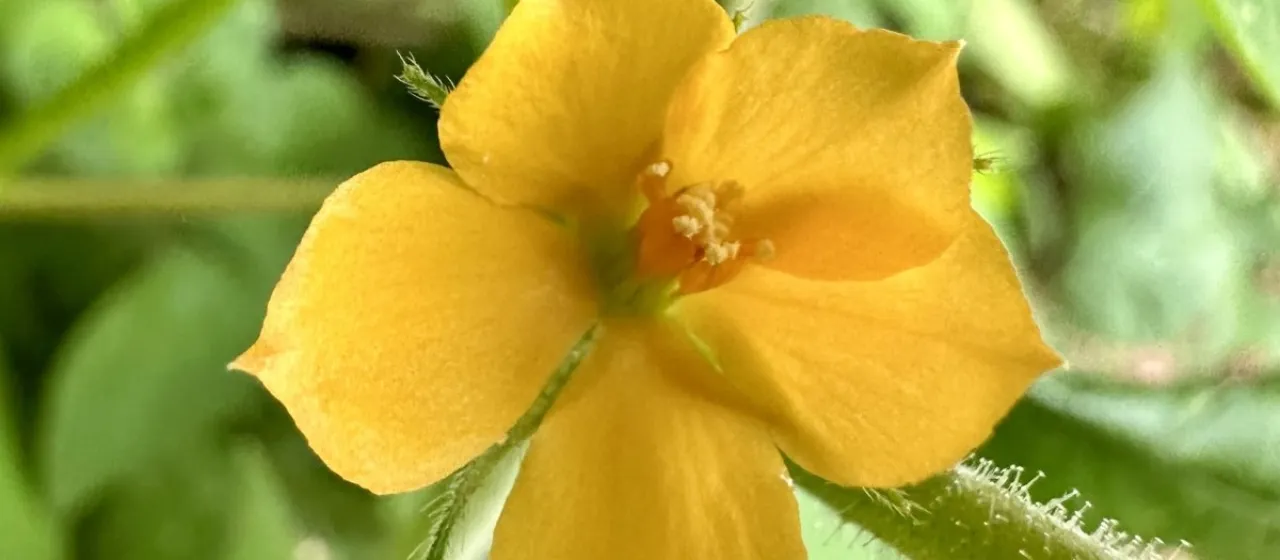
Botanically, the species is defined by its scabrous (rough) texture resulting from specialized trichomes on its stems and foliage. The leaves are typically toothed or lobed, while the flowers display bright yellow petals that open primarily under intense sunlight. This photo-sensitive blooming habit is a key feature of the Mentzelia genus.
Successful cultivation requires well-draining, sandy soils and full sun exposure. The plant is highly sensitive to moisture accumulation around the roots, which can lead to fungal infections. Growers should prioritize high-porosity substrates and avoid over-irrigation to maintain optimal growth throughout the development cycle.
In terms of usage, Mentzelia aspera is occasionally studied for its potential medicinal properties and ornamental value in xeriscaping projects. Pests that commonly affect this plant include spider mites and leaf miners, which thrive in dry conditions. Ensuring proper ventilation and spacing is essential to mitigate the risk of disease and insect outbreaks.