
Description
Mentzelia nuda, commonly known as Bractless Mentzelia, is a perennial herbaceous plant belonging to the Loasaceae family. In agricultural and horticultural practices, this species is noted for its resilience and ability to thrive in harsh, dry environments that are unsuitable for many traditional garden crops.
The plant originates from the arid regions of North America, particularly the western plains and prairies. Its native range is characterized by sandy, well-draining substrates and high solar radiation. Because of this, cultivation efforts must focus on mimicking these natural conditions to ensure plant health and longevity.
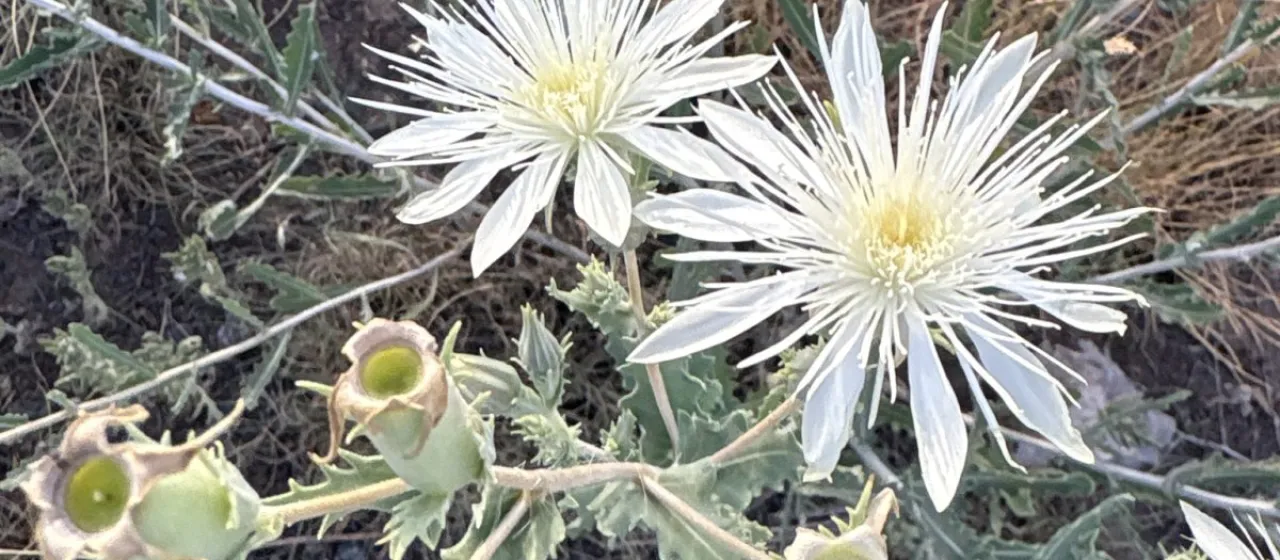
Botanically, Mentzelia nuda is distinguished by its erect stems and deeply lobed leaves that possess a coarse texture. The most striking feature of the plant is its large, fragrant, cream-to-yellow flowers. These blooms are known for their unique behavior of opening in the evening or during overcast weather to attract specific nocturnal pollinators.
Cultivation requirements are strict regarding drainage. The plant prefers sandy or rocky soils with a neutral pH. Over-fertilization should be avoided, as it can cause the plant to become leggy and less structurally sound. Proper spacing is essential to ensure adequate airflow, which prevents the development of fungal pathogens common in dense vegetation.
The main agricultural and landscape uses include:
- Xeriscaping and drought-tolerant garden design.
- Supporting local pollinator populations, especially moths.
- Restoration of disturbed soil in arid regions.
- Ornamental value for night-scented garden borders.
Regarding pest and disease management, the primary concern for growers is root rot caused by poor soil drainage. Growers should monitor for aphids and leaf-eating beetles, especially during the early growth stages. Maintaining a dry, well-ventilated environment is the most effective preventative measure against both diseases and insect infestations.