
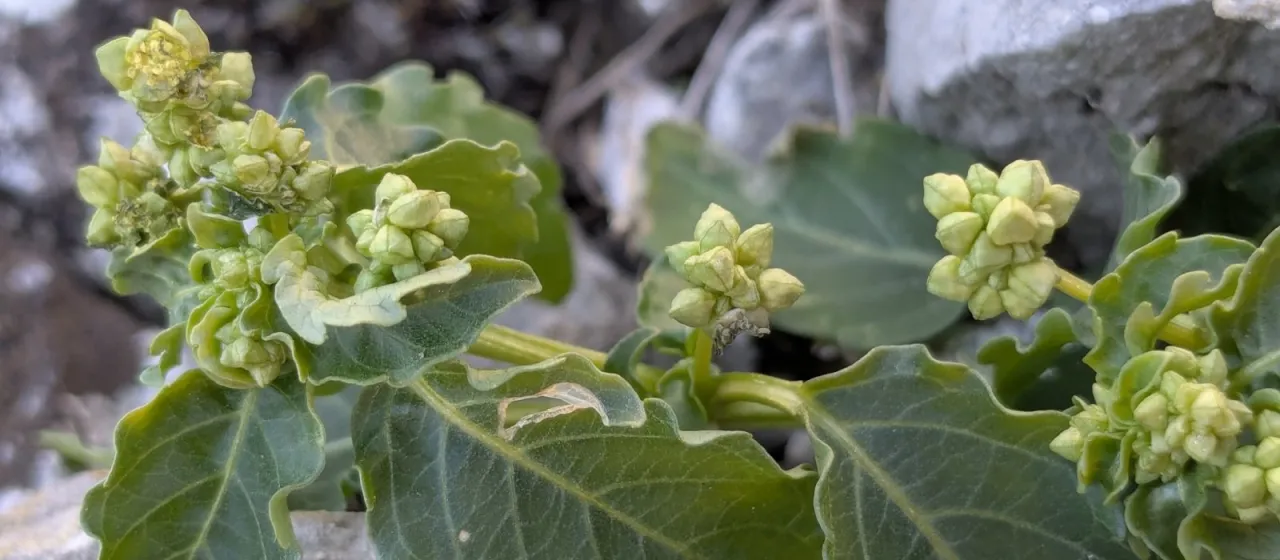
Description
Mercurialis huetii is a herbaceous plant belonging to the Euphorbiaceae family. This species is of significant interest in botanical and pharmacological fields due to the unique secondary metabolites found in its tissues. As an agricultural object, it is primarily studied for its potential in creating plant-based pharmaceutical raw materials.
The plant originates from the Mediterranean and Middle Eastern regions, where it thrives in arid to semi-arid environments. It is well-adapted to limestone substrates and rocky soils. Its distribution reflects a high tolerance for drought and intense solar radiation, making it a candidate for cultivation in specific temperate climates.
Botanically, the species is characterized by its dioecious nature, meaning male and female flowers occur on separate individual plants. This aspect is crucial for breeding and maintaining genetic diversity within a cultivated field. The foliage is simple and opposite, and the plant structure is generally compact, allowing for efficient planting density.
Successful cultivation requires soil with excellent drainage and a neutral to slightly alkaline pH level. Agronomic management involves minimal water intervention, as the species is sensitive to waterlogging. Regular monitoring of the soil moisture is recommended to prevent root damage, which is the primary challenge in field management for this crop.
The economic potential of Mercurialis huetii lies in its phytochemical profile, which researchers are actively exploring. Common threats to the crop health include:
- Powdery mildew triggered by poor ventilation.
- Aphid infestations that affect leaf development.
- Root rot pathogens exacerbated by inadequate drainage systems.