
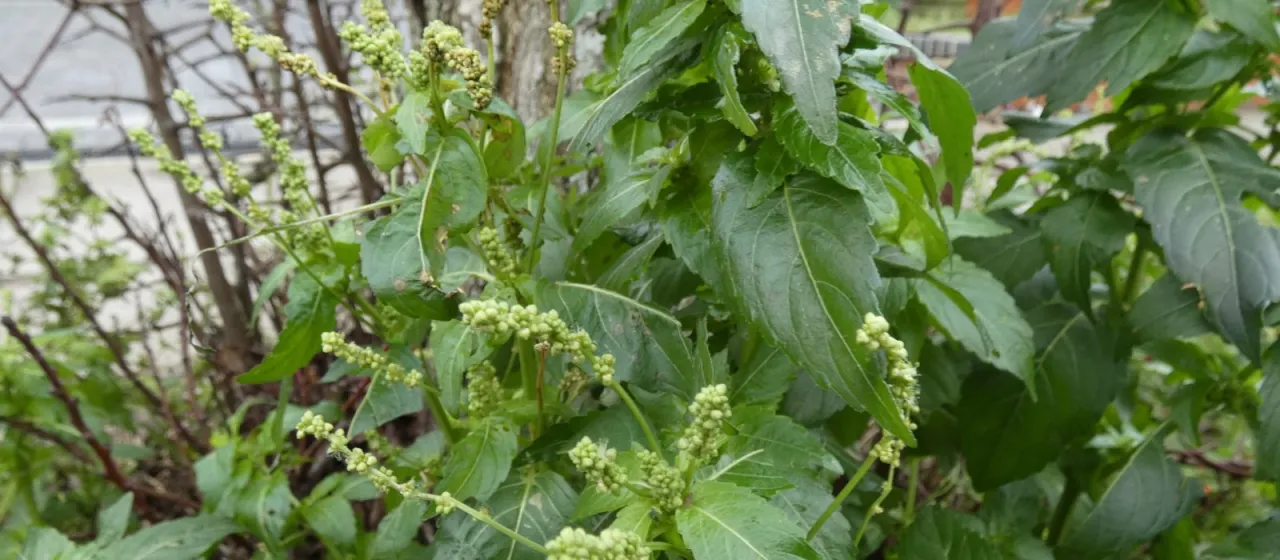
Description
Mercurialis monoica is a distinct plant species belonging to the Euphorbiaceae family. Unlike other species in the genus Mercurialis, this plant is characterized by its monoecious reproductive system, where both male and female reproductive organs are present on the same individual. This biological trait makes it a significant subject for botanical research concerning plant reproduction and evolution.
The plant originates from temperate regions of Europe, where it thrives in forest understories and shaded habitats. Its geographical distribution is limited compared to more common species, often making it an indicator of stable forest ecosystems. The plant is well-adapted to environments that provide protection from direct sunlight, maintaining a specific micro-environment required for its growth.
Botanically, it features a slender stem and opposite leaves, with a root structure designed to optimize nutrient uptake from forest humus. The plant exhibits specific growth patterns that allow it to compete effectively in crowded plant communities. Its development is highly synchronized with the seasonal availability of light and moisture within its natural woodland habitat.
Cultural requirements involve high soil humidity and the presence of organic-rich substrates. In terms of cultivation, it is highly sensitive to soil compaction and dehydration. The ideal growth medium should mimic the conditions of a forest floor, offering consistent moisture without waterlogging, and sufficient shade to prevent leaf scorching during the peak of summer.
The practical utility of Mercurialis monoica is largely restricted to botanical gardens and research facilities. Due to the presence of various chemical compounds within the Euphorbiaceae family, handling must be done with caution.
- Serves as a research subject for genetic studies on monoecy.
- Contributes to the biodiversity of protected woodland areas.
- Used as an educational specimen in horticultural studies.