
Description
Ovate mercury (Mercurialis ovata) is a perennial herbaceous plant belonging to the Euphorbiaceae family. It is distinct from its congeners by its specific leaf shape and habitat preferences, making it a noteworthy species within the flora of temperate regions. While it is rarely cultivated as a commercial crop, its biological characteristics provide valuable insights into forest ecosystem dynamics.
The native range of the species encompasses parts of Central and Southeastern Europe, as well as the Caucasus. It is primarily found in deciduous forest zones, thriving in shaded environments where it can establish perennial colonies. The plant is considered an indicator species for certain soil conditions within its natural geographic range.
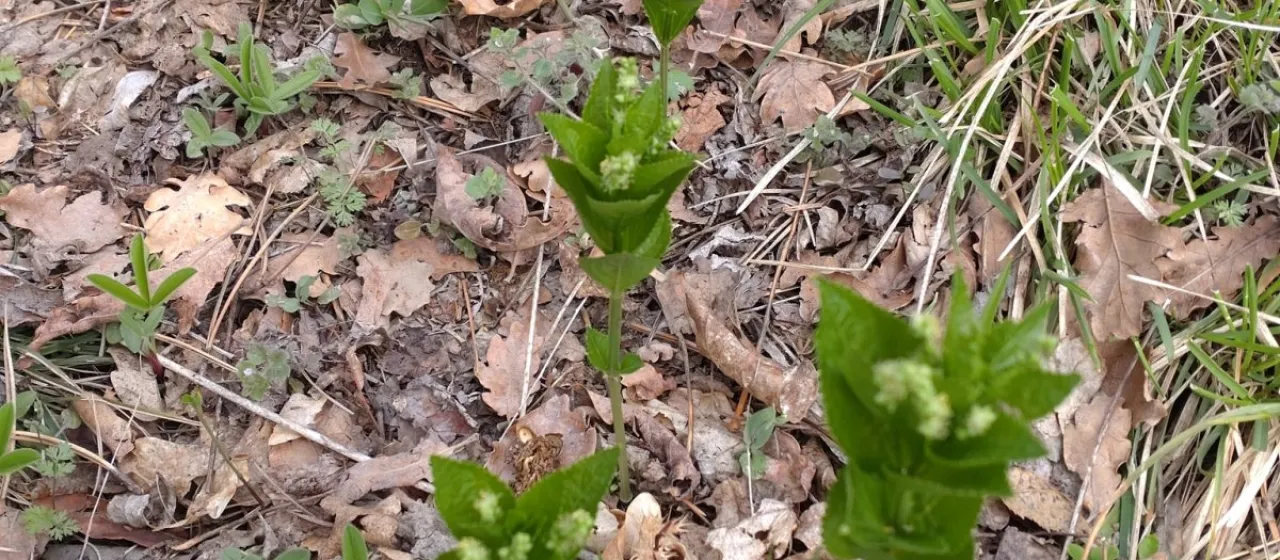
From a botanical perspective, Mercurialis ovata is characterized by its opposite, ovate leaves and a creeping rhizome system. The stems are typically erect and exhibit a simple branching pattern. The plant flowers in the spring, producing inconspicuous flowers that are typical of the Euphorbiaceae family, often facilitating propagation through both rhizome expansion and seed dispersal.
Growth requirements emphasize the importance of fertile, humic, and well-drained soils. As a shade-loving species, it requires protection from intense direct sunlight, which can induce stress and reduce vegetative vigor. Agronomic management involves maintaining consistent soil moisture levels, as the species is sensitive to both prolonged drought and excessive waterlogging.
The economic use of Ovate mercury is primarily focused on botanical research and potential phytochemical screening, given that many species within the Euphorbiaceae family contain complex chemical compounds. Typical threats to the plant include fungal pathogens that target the root system under high humidity and various leaf-feeding insects that may affect its photosynthetic efficiency during the active growth season.