
Description
Arizona bluebells (Mertensia arizonica) is a perennial herbaceous plant belonging to the Boraginaceae family. This species is highly regarded by horticulturists for its refined beauty and the botanical phenomenon of changing flower colors, which adds a dynamic aesthetic to any ornamental landscape.
Native to the mountainous regions of North America, this plant is well-adapted to environments that provide moderate spring moisture and cooler temperatures. Its natural distribution range emphasizes its preference for sheltered, partially shaded spots that simulate the forest margins or rocky slopes of its homeland, protecting it from intense afternoon heat.
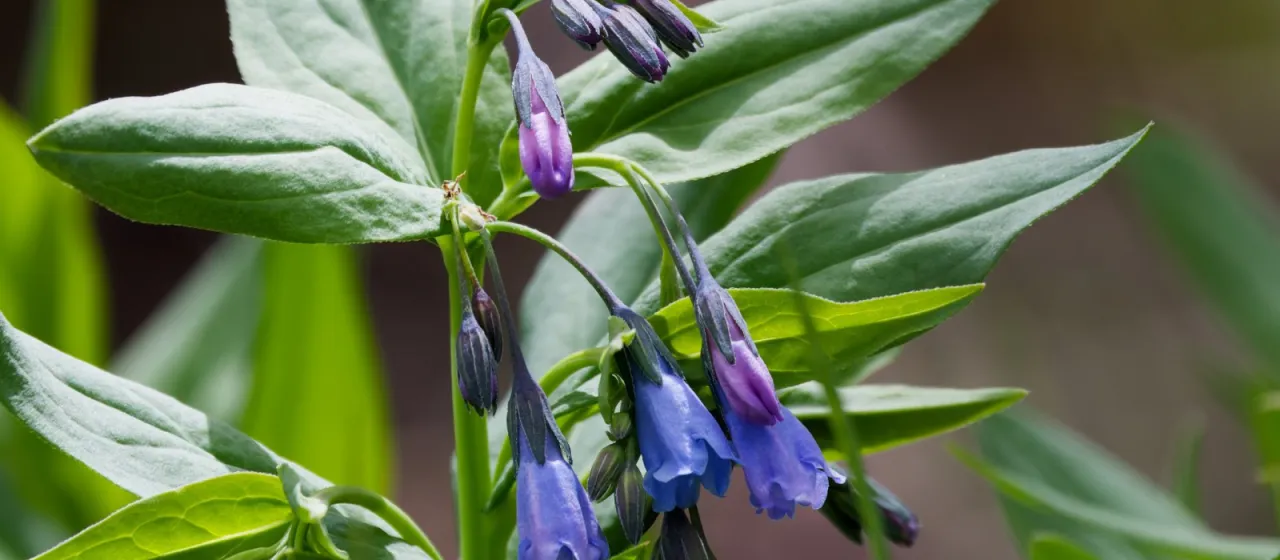
Botanically, the plant is characterized by smooth, glaucous foliage and a compact growth habit. The flowers are trumpet-shaped, initially appearing pink or lavender, and gradually transitioning to a brilliant blue. This color shift is a signature trait of many Mertensia species, making them a fascination for botanical enthusiasts.
Successful cultivation of Mertensia arizonica requires well-draining, nutrient-rich soil with a neutral to slightly acidic pH. The plant thrives in conditions where the root zone is kept cool, often achieved through the use of organic mulch. Proper site selection is critical: the plant requires protection from harsh winds and direct scorching sunlight during the summer months.
In terms of maintenance, Arizona bluebells are susceptible to typical garden pests such as slugs and snails, which can cause significant damage to young leaves. Additionally, gardeners should monitor for root rot, which typically occurs if the soil drainage is inadequate. Generally, the plant is low-maintenance once established, requiring little more than consistent seasonal care and protection from excessive winter moisture.