
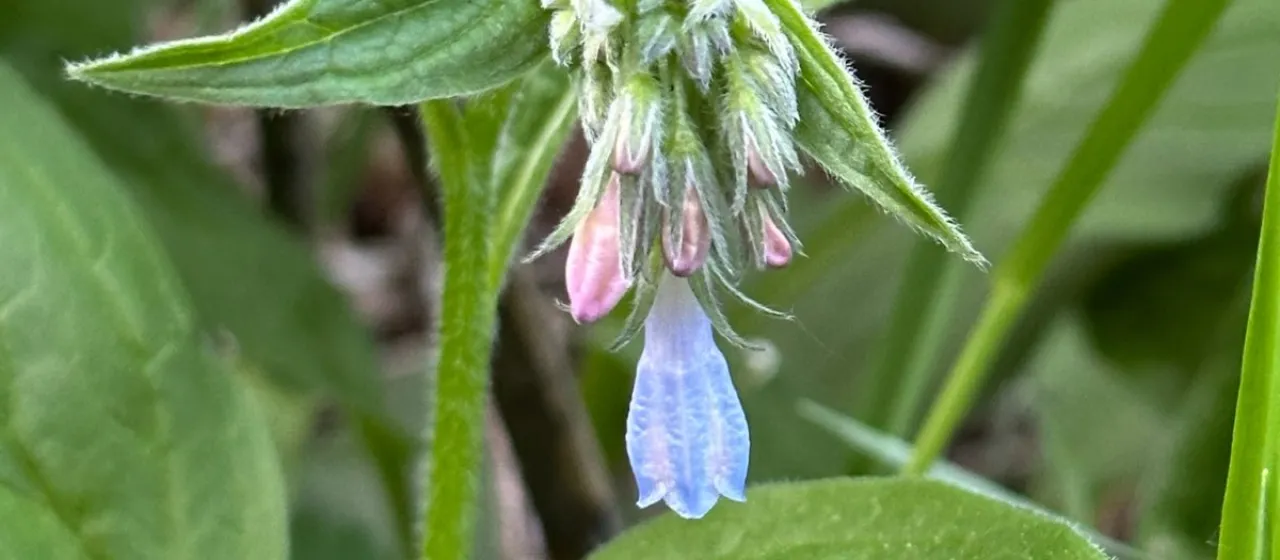
Description
Northern bluebells (Mertensia paniculata) is a perennial herbaceous plant belonging to the Borage family (Boraginaceae). This species is well-regarded for its adaptability to cooler climates and its distinctive blue-purple tubular flowers. In botanical literature, it is recognized as a hardy perennial that plays a significant role in its native ecosystems as both a nectar source and a structural component of the local flora.
The plant is native to the northern regions of North America, including Alaska, Canada, and parts of the northern United States, as well as distinct regions in Siberia. It thrives in temperate, moist environments, frequently populating forest understories, riverbanks, and alpine meadows. Its distribution is closely linked to its preference for well-drained but consistently moist organic soils.
Botanically, Mertensia paniculata is characterized by its rhizomatous root system, which enables it to persist through harsh winters. The foliage is typically lanceolate with a soft, sometimes hairy texture. The inflorescence consists of panicles of bell-shaped flowers that transition through various shades during development. The plant’s ability to spread via rhizomes makes it an efficient colonizer of open, nutrient-rich disturbed sites.
Cultivation requirements for this species focus on replicating a woodland habitat. Soil should be rich, friable, and moisture-retentive, with a slightly acidic to neutral pH. While it is quite shade-tolerant, it requires some morning light to promote vigorous blooming. Maintaining soil moisture during the peak growing season is critical for plant health, especially when grown in containers or drier garden climates.
The practical applications of Northern bluebells include:
- Supporting biodiversity as a nectar source for native pollinators and bees.
- Landscaping in woodland gardens or restorative ecological projects.
- Ethnobotanical use in traditional medicinal practices.
- Serving as a ground cover plant in shaded, moist areas of a property.
Regarding pest and disease management, the plant is generally robust. However, in poorly ventilated or excessively humid conditions, foliar fungal diseases may occur. Monitoring for pests like aphids or slugs is recommended, particularly during the early spring when tender young growth is emerging. Proper site selection and avoiding overcrowding are the best preventive measures for maintaining a healthy stand.