
Description
Virginia bluebells (Mertensia virginica) is a charming herbaceous perennial plant belonging to the Boraginaceae family. Highly prized in ornamental horticulture, it is renowned for its early spring bloom and unique color-changing flowers, making it a favorite for woodland gardens and shaded landscape areas.
The plant is native to North America, specifically found in rich woods and floodplains of the eastern regions. Its natural habitat dictates its growth requirements, as it thrives in cool, moist, and temperate climates. It has been successfully introduced into cultivation across various temperate zones, where it is often utilized as a seasonal ephemeral that adds structural beauty to the garden during the spring months.
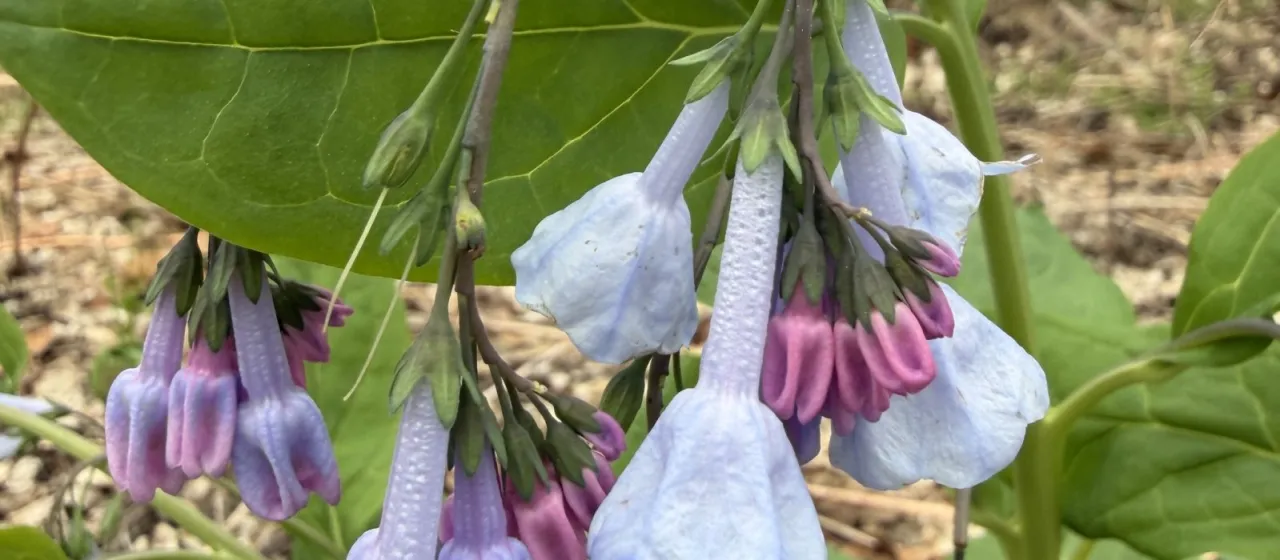
Botanically, the species is characterized by smooth, glaucous foliage and arching stems that reach up to 20 inches in height. The inflorescence consists of clusters of drooping, trumpet-shaped flowers. A fascinating trait of the plant is that the floral buds emerge pink, and as the flowers mature and open, they transition into a vibrant blue hue, creating a striking bicolor effect on a single plant.
Cultivation requires replicating forest conditions: the plants demand rich, well-draining, and consistently moist soil, ideally with neutral to slightly acidic pH levels. Partial shade is essential, as direct, harsh sunlight can damage the leaves and shorten the flowering period. After the spring bloom, the foliage naturally dies back, a biological cycle that gardeners must consider when planning mixed borders.
The primary use of Mertensia virginica is purely ornamental. It is best suited for woodland drifts, rock gardens, or borders where it can grow undisturbed. While generally robust, the plant can be susceptible to fungal diseases such as powdery mildew or crown rot if drainage is poor or if the soil remains waterlogged. Proper site selection and avoiding excessive nitrogen fertilization remain key management practices.