
Description
Mesua ferrea, commonly known as the Ironwood, is an evergreen tree belonging to the family Clusiaceae. It is globally recognized for its remarkably hard and durable timber, which makes it a highly sought-after material in both heavy construction and fine furniture manufacturing.
The native distribution of this species spans the tropical rainforests of South and Southeast Asia, primarily within India, Sri Lanka, and the Indochina peninsula. Over centuries, the tree has been introduced to various tropical regions worldwide, where it is valued for its resilience and its beautiful, fragrant blossoms that serve both aesthetic and medicinal purposes.
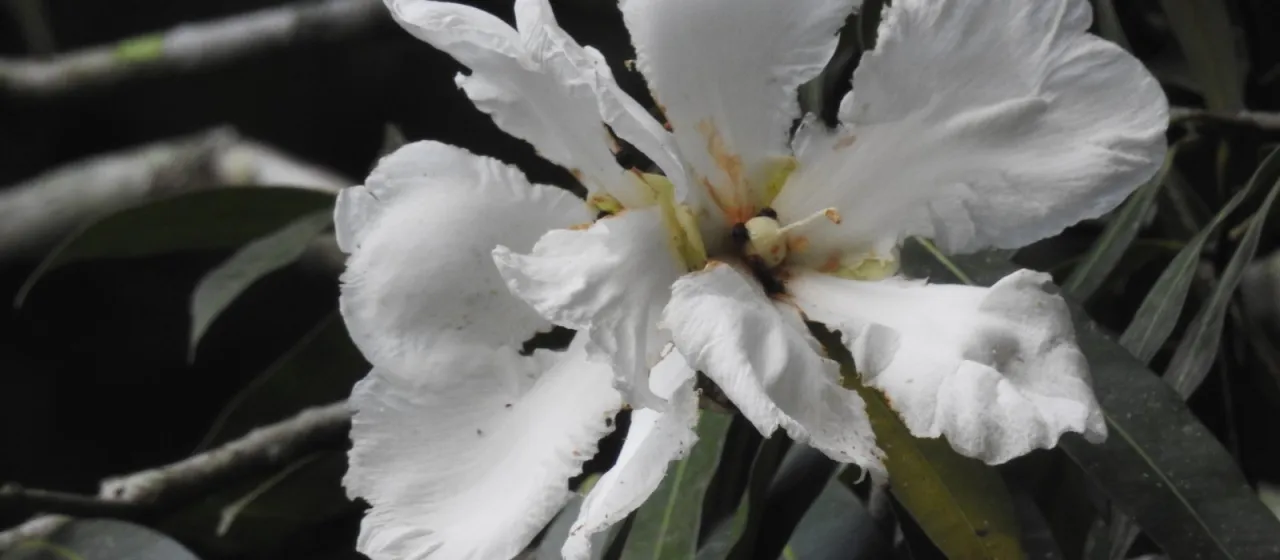
Botanically, the Ironwood is characterized by a dense, conical crown and lanceolate, leathery leaves that exhibit a vibrant reddish color in the young growth phase. The tree produces large, solitary, white flowers with prominent yellow stamens, which are highly prized for their essential oils and use in traditional perfumery.
Agricultural success with Mesua ferrea depends on creating a stable, warm, and humid environment. The tree performs best in deep, fertile, well-drained loamy soils. Cultivation requires careful monitoring of moisture levels, as while the tree is moisture-loving, it cannot tolerate prolonged waterlogging at the root zone.
Economically, the species is significant due to its multifaceted utility. The timber is used for railway sleepers, heavy structural components, and high-quality cabinet work. Furthermore, the oil extracted from its seeds is used in artisanal soap making, bio-lubricants, and traditional herbal remedies, underlining its status as a versatile cash crop.
- Susceptible to fungal infections under high humidity.
- Pest risks include scale insects and various leaf-miners.
- Requires consistent nutrient management in young plantations.
- Propagation is typically achieved through seeds, requiring specific soil temperature conditions.