
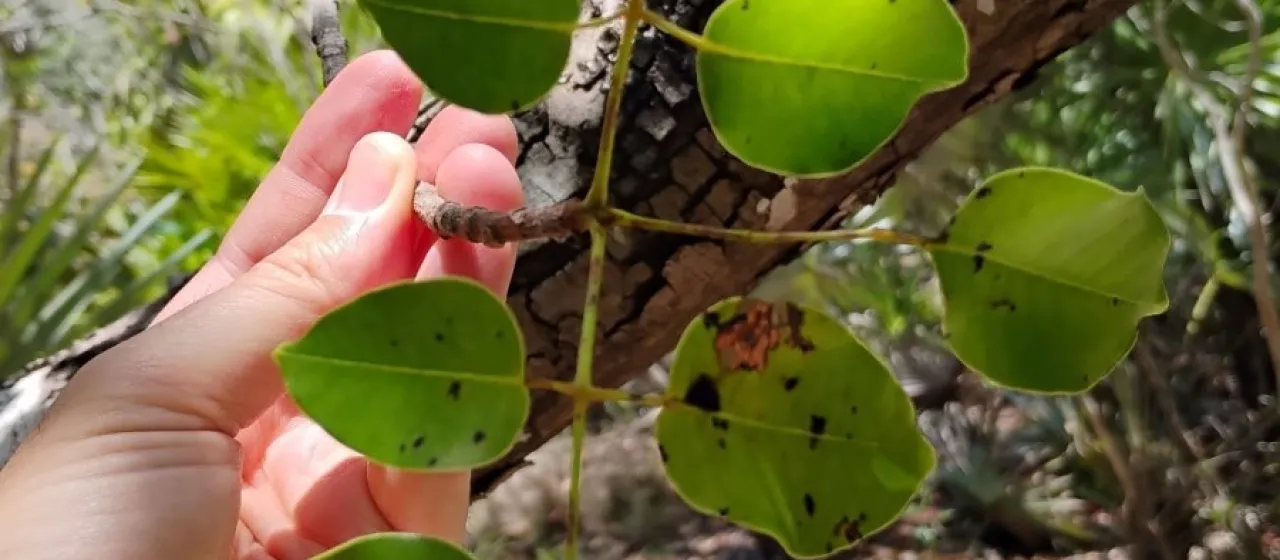
Description
Poisonwood (Metopium toxiferum) is a prominent woody plant species belonging to the Anacardiaceae family. Renowned for its potential to cause severe contact dermatitis, this species shares physiological characteristics with other members of its family, such as poison ivy. Despite its reputation, it serves as a critical component of the tropical forest structure in its native environment.
The native distribution of Metopium toxiferum is concentrated in the Caribbean Basin, including the Florida Keys, the Bahamas, and Cuba. It typically thrives in diverse habitats ranging from rocky limestone substrates to coastal hammocks. Its ability to colonize nutrient-poor and alkaline soils makes it a resilient species capable of surviving in ecosystems prone to seasonal drought and high temperatures.
Botanically, the species is recognized by its pinnately compound leaves and small, yellowish-green flowers arranged in terminal panicles. The plant produces drupe-like fruits that mature to a bright orange-red color. The most distinct feature is the sticky, sap-like resin produced by the plant, which oxidizes into a black varnish-like substance upon exposure to air, containing urushiol, the primary allergen.
From an agronomical perspective, Metopium toxiferum is rarely grown in conventional settings due to safety concerns. If propagated, it requires well-drained, porous soils and high solar exposure. Propagation is typically achieved through seeds, which must be handled with protective gear. The plant exhibits high tolerance to environmental stress, requiring minimal maintenance once established, but it is not recommended for small residential landscapes due to the health risks involved.
Economically, while its timber is valued for its density and unique patterns, its utility is restricted by the danger it poses to laborers during harvesting and processing. Historically, the wood has been utilized for artisanal woodworking and specialty furniture production. Furthermore, the species is highly regarded in apiculture; the honey produced from its nectar is often described as high-quality and sought after within the local tropical markets.