
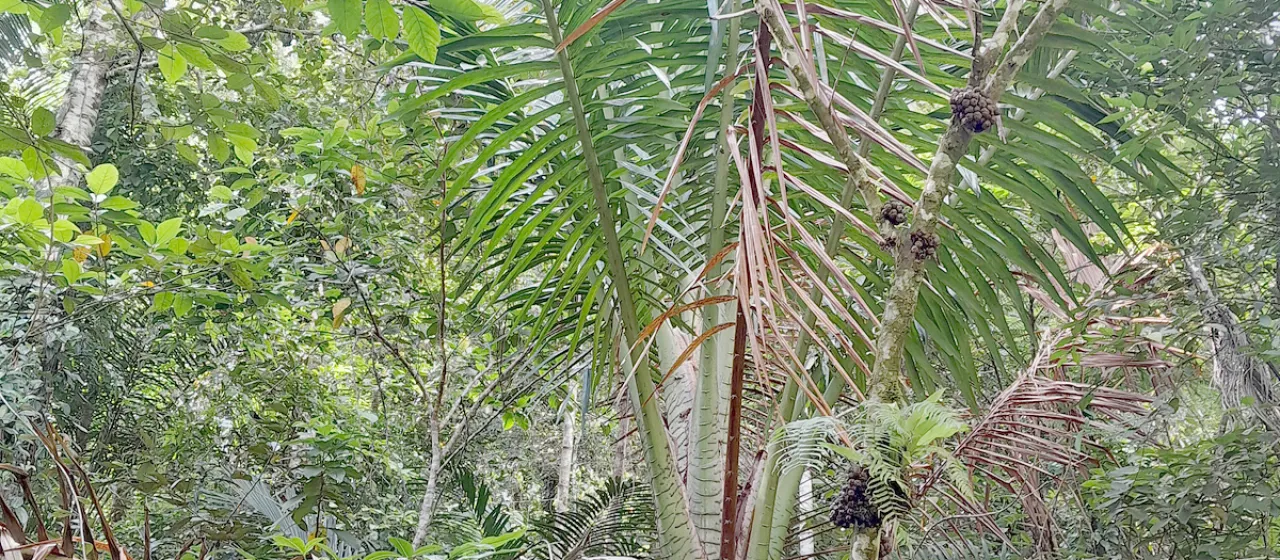
Description
The Sago palm, scientifically known as Metroxylon sagu, is a prominent member of the Arecaceae family. This palm is highly valued in tropical agriculture, particularly in Southeast Asia and Melanesia, primarily because its trunk serves as a massive reservoir of starch, which is harvested to produce sago flour, a staple food for millions.
The natural habitat of this species is found in lowland tropical rainforests and freshwater swamps. It thrives in conditions that are typically unsuitable for most crops, specifically in areas with high soil moisture and frequent flooding. The plant requires a consistent tropical climate with high temperatures year-round and does not tolerate any significant chill or dry spells.
Botanically, the sago palm is a monocarpic species, meaning it flowers once and then dies. The starch is accumulated in the pith of the trunk, and the tree is usually harvested just before the emergence of its massive terminal inflorescence. The tree can reach up to 15 meters in height and is characterized by its large, pinnate leaves and suckering habit, which ensures the continuation of the stand after the main stem is harvested.
Cultivation practices involve selecting high-starch varieties and managing the suckers to maintain a sustainable cycle of regrowth. While the palm is relatively low-maintenance, irrigation and soil nutrient management are crucial in commercial plantations to maximize starch yield. The harvest involves felling the mature trunk and extracting the pith, which is then crushed and washed to separate the starch.
Sago is a vital industrial and food product, utilized in everything from traditional gruel to modern food processing. However, pests such as the red palm weevil pose a significant threat, boring into the stem and destroying the starchy tissue. Proper plantation hygiene and biological control methods are essential for managing these pests and ensuring the longevity of the palm stands.
- Major source of dietary starch
- Highly resilient in waterlogged environments
- Important role in traditional economies
- Low input agricultural system