
Description
Mezoneuron sumatranum is a woody, climbing plant species belonging to the Fabaceae family. As a vigorous liana, it plays a structural role in its native ecosystems, utilizing its unique morphological adaptations to reach the canopy layer in tropical environments. The species is highly adapted to intense competition for light, which defines its rapid growth patterns and vertical orientation.
The native range of Mezoneuron sumatranum is centered in Southeast Asia, particularly across the islands of the Indonesian archipelago. It thrives in tropical rainforests characterized by high annual precipitation and consistent heat. The species is rarely found outside of these equatorial regions due to its strict physiological requirements for warmth and high relative humidity throughout the entire growing season.
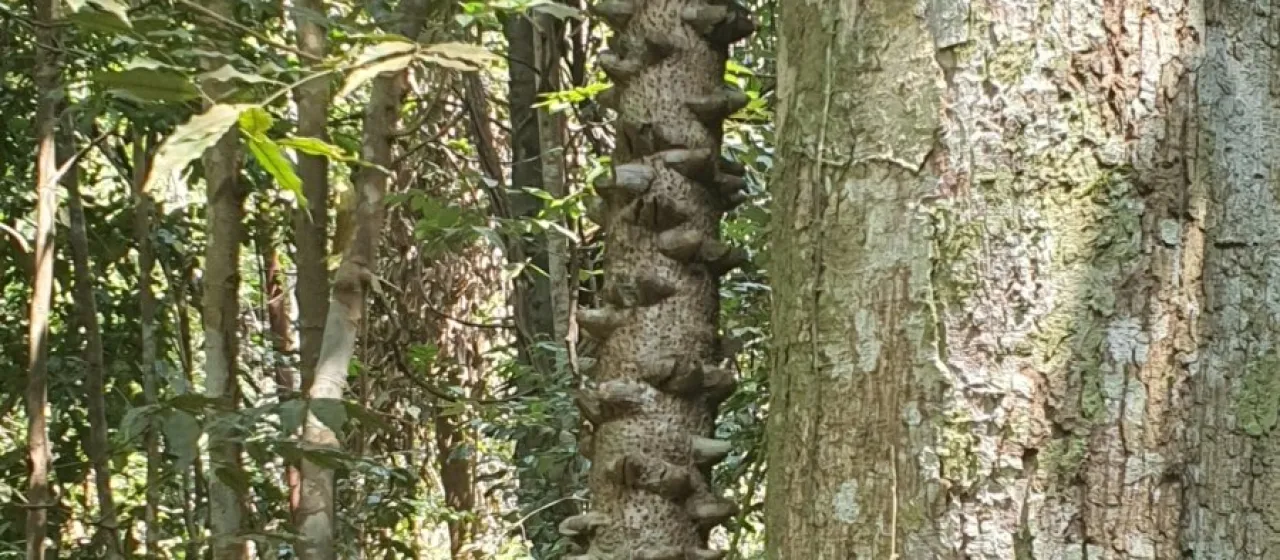
Botanically, the plant is distinguished by its stems equipped with prickles or thorns, which facilitate climbing on host trees. The leaves are typically bipinnate or pinnate, providing a large surface area for photosynthesis. Flowering occurs in racemes or panicles, producing legumes that are flat and woody at maturity. The seeds are dispersed through mechanisms suited to the dense understory and forest margins.
Agronomic requirements for cultivating this species are intensive. It requires a deep, nutrient-rich, and well-draining soil profile to support its biomass accumulation. Irrigation management is critical, as the species does not tolerate drought, yet it is susceptible to root rot in waterlogged conditions. The establishment of high-quality vertical supports is mandatory for commercial or experimental cultivation to maximize foliage health and development.
In terms of usage, Mezoneuron sumatranum is primarily managed as a source of raw organic material or local traditional products. Agronomists monitor the crop for common tropical pests, such as leaf-eating insects and various fungal pathogens that thrive in high-humidity climates. Integrated pest management strategies, including the use of localized bio-fungicides and manual pruning, are often employed to maintain the plant's vigor and productivity.