
Description
Michauxia campanuloides is a striking herbaceous perennial belonging to the family Campanulaceae. Widely admired for its candelabra-like flower spikes, this plant serves as a sophisticated focal point in garden landscapes, offering a unique architectural aesthetic that distinguishes it from more common ornamental species.
Originating from the mountainous regions of Turkey, Syria, and Lebanon, this species is naturally adapted to rugged, rocky habitats. This heritage makes it a hardy addition to well-drained garden beds, provided that its specific requirements for light and soil composition are met during the cultivation cycle.
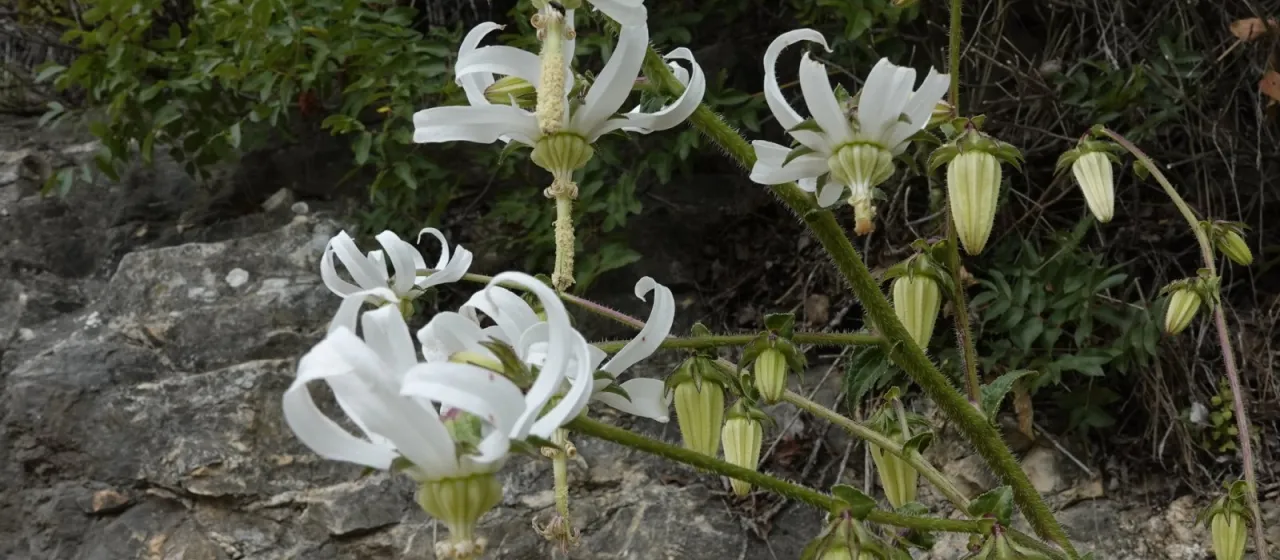
Botanically, it is a monocarpic species that spends its initial stages as a rosette of large, deeply lobed leaves. After the second or third year, it produces a tall, branched stem adorned with numerous large, lily-like flowers that reflex their petals in a manner characteristic of the genus.
Success in growing this crop requires a sunny position with excellent drainage, as the species is highly susceptible to winter wetness, which can cause crown rot. Alkaline to neutral soil with grit or small pebbles incorporated is ideal to mimic its natural environment. It does not require high levels of fertilization; however, steady moisture during the growth phase is essential.
Management of the plant focuses on protection against pests like slugs and snails, which are particularly attracted to the succulent foliage. Disease prevention is primarily achieved through site selection—avoiding damp, stagnant areas and ensuring good airflow around the foliage. With proper care, the plant provides a spectacular display of blooms during the summer months.