
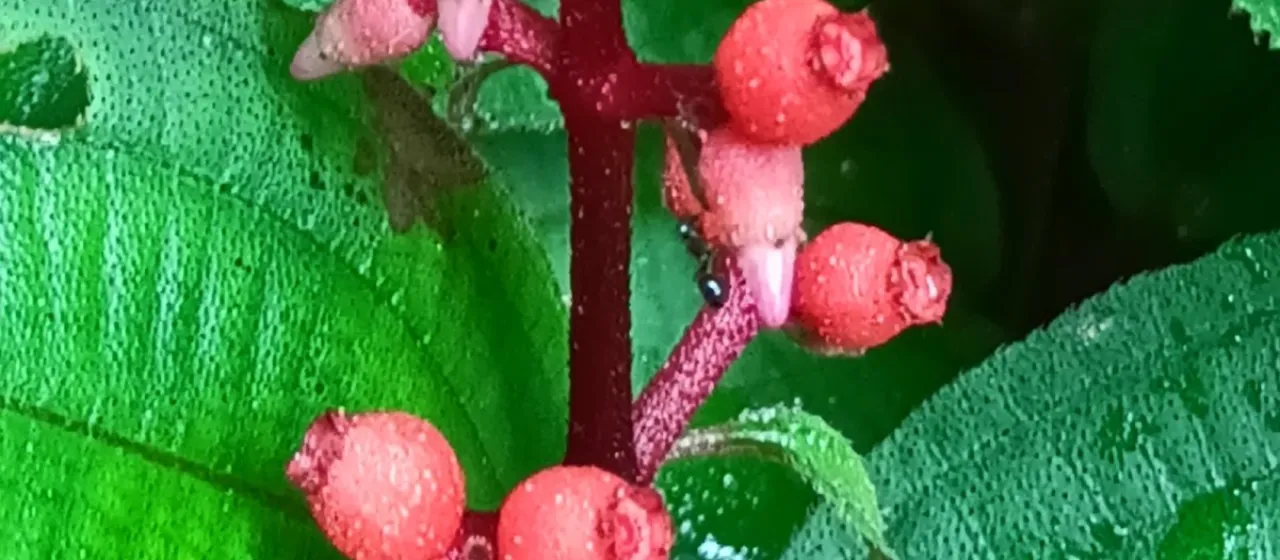
Description
Miconia ceramicarpa is a perennial evergreen shrub belonging to the Melastomataceae family. This species is recognized for its ecological resilience and role as a structural component in the understory of neotropical forests. Its presence is vital for maintaining the balance of various micro-habitats within its natural range.
The native distribution of this species is spread across the tropical regions of Central and South America. Miconia ceramicarpa thrives in environments with high rainfall and consistent warmth. It is primarily adapted to low-light conditions, where it occupies the shady layers of the forest, developing specialized leaf structures to maximize photosynthetic efficiency in diffused light.
Botanically, the plant is characterized by its opposite, often coriaceous leaves with prominent venation, which is a hallmark of the Melastomataceae family. Its small flowers form delicate clusters, leading to the development of berries that serve as a crucial food source for frugivorous birds, thereby supporting forest regeneration through seed dispersal mechanisms.
For successful cultivation, the plant requires a strictly controlled environment that mimics the rainforest conditions. This involves rich, slightly acidic, well-draining soil and a consistent ambient humidity. Providing adequate shelter from harsh direct sunlight is essential for preventing leaf scorch and ensuring optimal plant development during the growth cycle.
- Adaptability to shade-heavy environments.
- Requirement for moderate to high moisture levels.
- Susceptibility to root rot in waterlogged substrates.
- Potential for use in ecological restoration projects.
In terms of хозяйственное usage, Miconia ceramicarpa is mainly researched for its potential in reforestation initiatives and forest landscape conservation. Its primary pests include tropical lepidopteran larvae and aphids, while fungal infections triggered by stagnant humidity are the most common pathological threats. Continued study of this species provides insights into the biodiversity of the tropical ecosystems it inhabits.