Microbiota decussata
Microbiota decussata Kom.
Description
Microbiota decussata, commonly known as the Siberian carpet cypress, is a unique, relic species of coniferous shrub belonging to the Cupressaceae family. As the only species in its genus, it is a botanical curiosity highly prized for its graceful, sprawling growth habit and extreme hardiness.
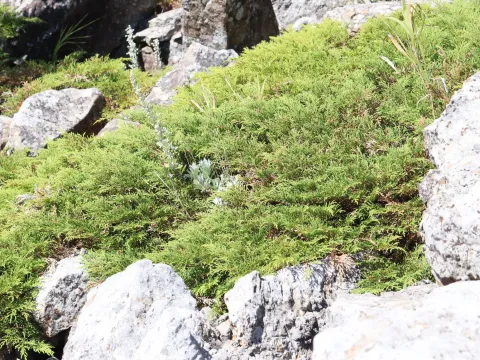
The plant is native to the Sikhote-Alin mountain range in the Russian Far East. It grows naturally in rugged, rocky environments, which has contributed to its remarkable ability to withstand harsh weather conditions, including severe winter frosts and rocky, nutrient-poor soil types.
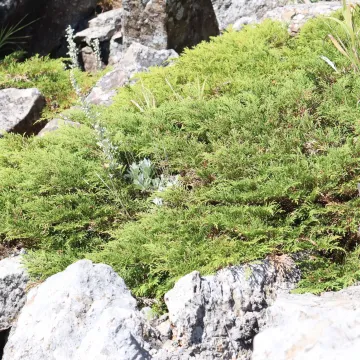
Botanically, it is a low-growing evergreen shrub with flat, fan-like branches that overlap to create a dense, carpet-like ground cover. The foliage color is dynamic, transitioning from a vibrant bright green during the active growing season to a distinctive coppery-brown or bronze during the winter months.
When cultivating this species, it is essential to ensure excellent soil drainage, as the roots are susceptible to rot in waterlogged conditions. The plant performs well in a variety of light exposures, from full sun to partial shade, although it maintains its most compact and vibrant form when grown in well-lit areas.
Key cultivation requirements include:
- Regular moisture management during the first few growing seasons.
- Use of well-draining, slightly acidic soil substrate.
- Minimal pruning to maintain natural shape.
- Protection from extreme desiccating winds in winter.
In landscaping, it serves as an excellent ground cover for slopes, rock gardens, and foundation plantings. Microbiota decussata is generally robust and rarely troubled by pests or diseases, provided the soil drainage is managed correctly. Its low maintenance requirements make it an ideal choice for both professional landscapes and private gardens.
Photo gallery