
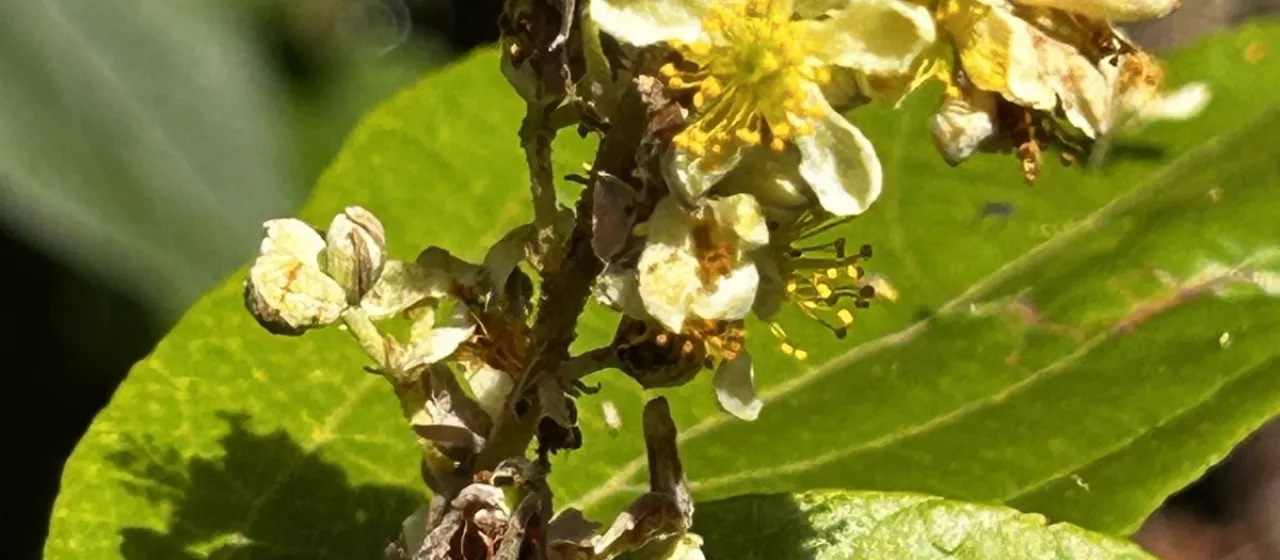
Description
Microcos paniculata is an evergreen shrub or small tree belonging to the Malvaceae family (historically categorized under Tiliaceae). Widely recognized in Asian traditional practices, it serves as a valuable resource for medicinal applications, food additives, and environmental restoration in its native tropical habitats.
The natural range of this species extends across Southeast Asia, including countries like Vietnam, Southern China, and Thailand. It typically thrives in diverse environments ranging from lowland forests to hilly regions, showing a strong preference for well-drained, nutrient-rich soils that support its continuous leaf growth throughout the year.
Botanically, the plant is characterized by its glossy, ovate-lanceolate leaves and terminal panicle inflorescences containing small, fragrant flowers. The fruit is a small, drupe-like structure that develops following successful pollination. Its structure allows it to withstand high solar radiation while maintaining an efficient transpiration rate.
Agronomic management requires a focus on tropical climate conditions, specifically high humidity and consistent moisture. While the crop is quite hardy, soil aeration is essential for optimal root development. Growers often implement systematic pruning to maintain a manageable plant height, which facilitates the harvesting of leaves and twigs for processing.
The хозяйственное (economic) utility of the crop is primarily focused on its antioxidant properties, with extensive research backing its use in herbal teas and pharmaceutical extracts. It is relatively resistant to major agricultural pests, although nursery-stage protection against fungal blight and sap-sucking insects is recommended for high-density planting.
- Regular soil testing to optimize pH levels for maximum nutrient uptake.
- Integrated Pest Management (IPM) to control leaf-feeding beetles.
- Strategic irrigation schedules to prevent moisture stress during dry spells.