
Description
Microcycas calocoma is a unique relict plant belonging to the Zamiaceae family within the order Cycadales. Often referred to as a living fossil, this species has maintained its primitive morphological characteristics since the Mesozoic era, making it a significant subject for botanical research and specialized collections.
The plant is endemic to the western part of Cuba, specifically the Pinar del Rio province. In its native habitat, it grows in distinct forest ecosystems characterized by limestone-rich soils. While not a conventional agricultural crop, it holds prestige in global botanical gardens and among collectors of rare prehistoric-looking flora due to its historical and biological rarity.
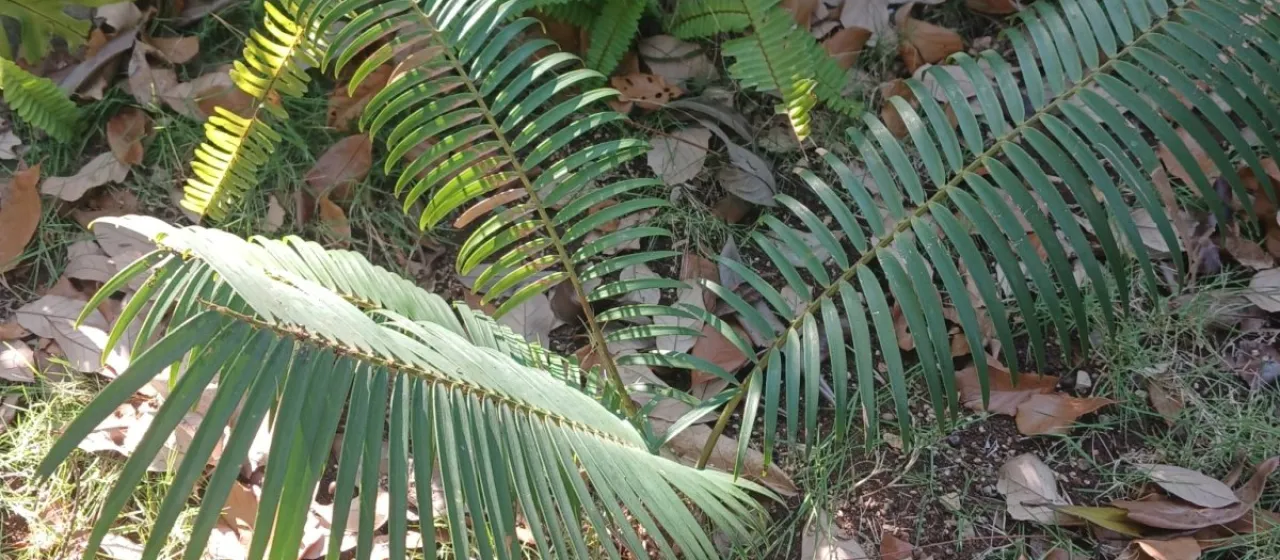
Botanically, this cycad features a sturdy, column-like trunk that can reach heights of up to 10 meters, though cultivated specimens typically exhibit slower growth rates. The leaves are rigid, pinnately compound, and deep green, creating a crown-like appearance at the apex of the stem. Reproduction is strictly by seeds, which in nature are dispersed in specific microclimates, challenging the plant's propagation speed.
Cultivation requirements involve mimicking the tropical climate of its origin, with stable warm temperatures and high air humidity. The soil must provide excellent drainage, as the root system is highly susceptible to rot. In professional nurseries, a medium composed of mineral-rich, slightly alkaline soil is preferred to match the natural limestone environment where the plant thrives.
- Requires bright, filtered light to prevent leaf scorching.
- Watering should be careful and spaced, allowing the soil to dry between sessions.
- Low nutrient requirements; organic fertilizers should be used sparingly.
- Regular inspections for pests such as scale insects are essential.
The primary use of Microcycas calocoma is ornamental in subtropical landscapes or specialized conservatory collections. As an agronomic challenge, its extreme longevity and slow development make it a long-term investment rather than a quick-turnover crop. Growers must be vigilant against root rot caused by poor soil structure and common sap-sucking pests, maintaining a balanced environment to ensure the health of these ancient specimens.