
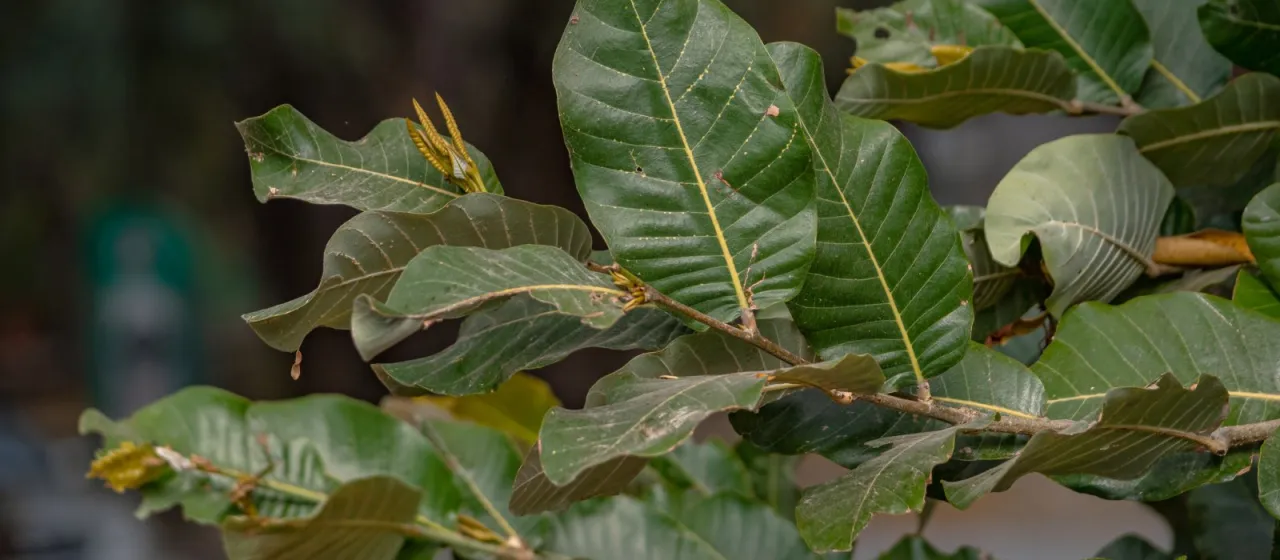
Description
Microdesmia arborea is a perennial woody plant species belonging to the Putranjivaceae family. It is recognized for its unique structural characteristics, typical of tropical forest ecosystems, where it functions as a critical component of the local botanical diversity.
The species is native to the tropical regions of Africa. Its natural range is concentrated in humid forests, where the climate provides constant moisture and warmth throughout the year. These environmental conditions are essential for the plant's development and define its role within the forest canopy architecture.
Botanically, the plant is characterized by a dense leaf structure and complex flowering patterns. The growth habit allows the tree to reach significant heights while maintaining structural integrity against heavy tropical rains. The bark and wood tissues possess specific biological adaptations that contribute to the plant's long-term survival in competitive environments.
Agrotechnical requirements for Microdesmia arborea include a well-drained, nutrient-rich soil profile, typically found in tropical forest conditions. The plant demands high humidity levels and a protected microclimate to thrive. Cultivation strategies focus on maintaining soil organic matter and ensuring adequate spacing to prevent competition among seedlings.
- Requires consistent thermal regime (no frost).
- Prefers high humidity for optimal growth.
- Susceptible to wood-boring insects.
- Requires fungal control in high-moisture settings.
Economic uses of this culture primarily revolve around the high-quality wood harvested for specialized construction purposes. Researchers are also examining the plant's phytochemical profile for potential medicinal applications. Common threats include infestations of xylophagous insects and various fungal pathogens that thrive in moist, warm conditions, necessitating systematic monitoring and pest management.