
Description
Micromeria myrtifolia is a perennial subshrub belonging to the Lamiaceae family. Often referred to as a type of mountain tea, this plant is highly prized in Mediterranean regions for its aromatic properties and its ability to thrive in harsh, rocky environments where other crops might fail.
The plant originates from the Eastern Mediterranean, predominantly found in rocky mountainous areas and limestone outcrops. Its natural habitat is characterized by thin soils and intense sunlight, which has shaped its physiology to be exceptionally drought-tolerant and resilient under low-nutrient conditions.
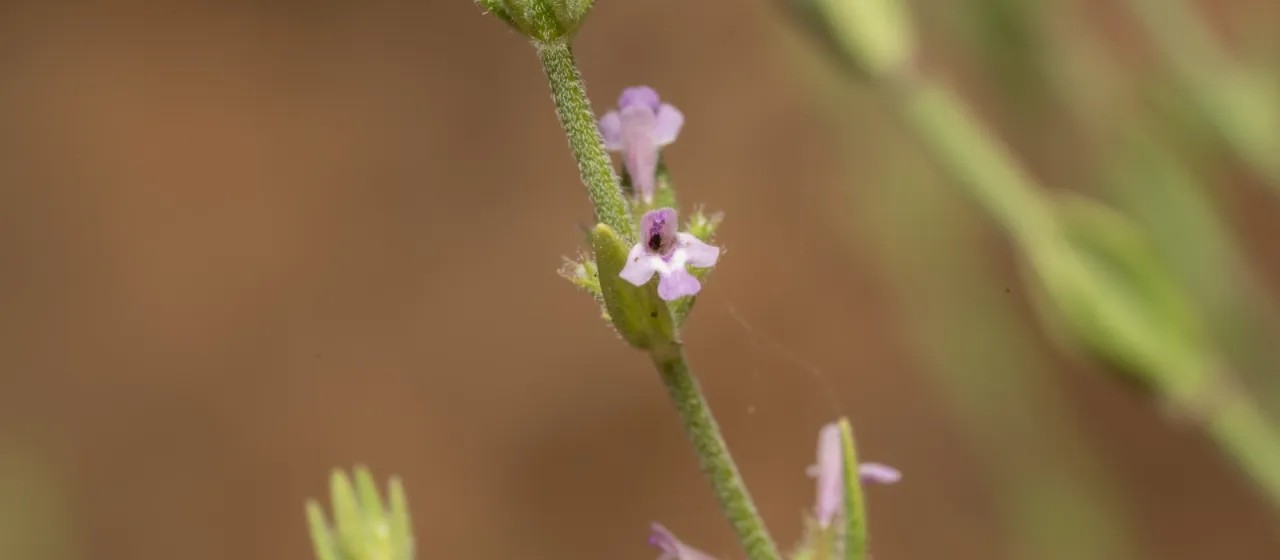
Botanically, it is a low-growing shrub with woody stems and small, lanceolate leaves that resemble myrtle, which justifies its specific epithet. The flowers, typically white or pinkish, are arranged in axillary clusters and are notably rich in essential oils such as thymol and carvacrol, which provide its characteristic scent.
Cultivation requires full sun exposure and extremely well-draining, slightly alkaline soil. In agricultural settings, it is essential to mimic its natural environment to prevent root rot, which is the primary threat to this species. Irrigation should be minimal once the plant is established, as it is naturally adapted to dry summers.
Commercially, Micromeria myrtifolia is used in the food industry as a culinary herb, in the production of herbal infusions, and in the pharmaceutical sector for its antimicrobial and antioxidant compounds. Pests are rarely a concern, though aphids or fungal pathogens may appear if the drainage is inadequate.
- High drought tolerance.
- Requires well-draining soil.
- Rich in essential oils.
- Suitable for xeriscaping.