
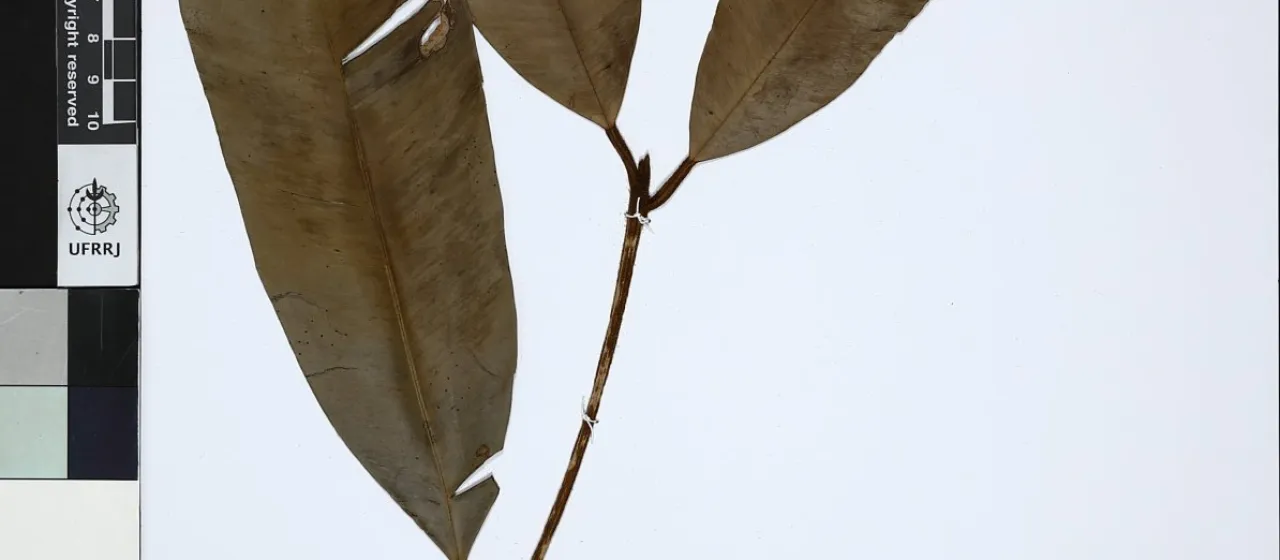
Description
Micropholis gardneriana is an evergreen tree species belonging to the Sapotaceae family. This genus is well-known in tropical botany for its robust structure and the ecological niche it occupies within dense tropical forests, playing a significant role in local biodiversity.
The origin of this species is primarily linked to South America, with a specific concentration in the tropical regions of Brazil. The plant is indigenous to humid forest habitats, where it thrives under the canopy, adapted to the warm and moist conditions of its natural range.
Botanically, Micropholis gardneriana is characterized by its leathery, evergreen leaves and a sturdy trunk. Like other members of the Sapotaceae family, it produces hard, dense wood. Its root system is specialized to absorb nutrients effectively from the nutrient-poor forest floor soils typical of its habitat.
Agricultural and horticultural requirements demand consistent tropical temperatures and high atmospheric humidity. Key soil requirements include:
- Rich organic content in the substrate.
- Excellent drainage to prevent waterlogging.
- Slightly acidic soil pH levels.
Economic use of the tree is largely localized, involving the harvesting of its dense timber for construction and tools. Regarding pathology, the species is susceptible to various fungal infections during periods of excessive rainfall and can be impacted by wood-boring insects if the trees are stressed or weakened.