
Description
Micropus supinus is an annual herbaceous plant belonging to the Asteraceae family. In an agricultural context, it is predominantly recognized as a weed species that adapts to harsh, sun-drenched environments. Its biology is centered around extreme resilience and the efficient utilization of limited moisture resources.
The origin of this plant is closely linked to the Mediterranean basin, with its natural range extending across Southern Europe, Northern Africa, and parts of the Middle East. It typically thrives in open habitats, including rocky slopes, dry fields, and meadows where competition for sunlight is low, but environmental stress is high.
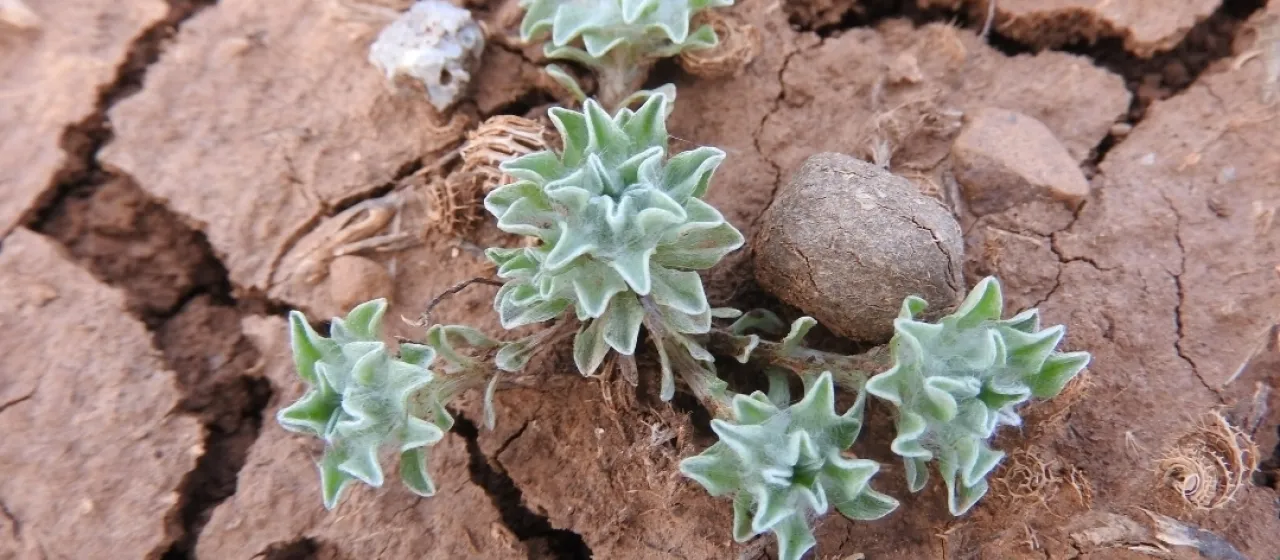
Botanically, Micropus supinus is characterized by its prostrate or ascending stems covered with a dense, woolly indumentum. This pubescence serves as a vital adaptation, protecting the plant from excessive solar radiation and reducing water loss through transpiration. The flowers are small, gathered in woolly heads, which further minimizes water exposure.
The plant demonstrates high tolerance for poor-quality soils, including sandy and rocky substrates with low fertility. Agricultural management of this species involves integrated weed control methods, focusing on soil disturbance and crop rotation to minimize its presence within major field crops that require similar ecological niches.
Regarding its utility, Micropus supinus is not typically used as a commercial crop. Instead, it is valued in ecological research for its ability to stabilize thin soils and its potential role in restoring degraded arid lands. It serves as an indicator species for specific types of dry grassland ecosystems where it plays a role in the local food web.